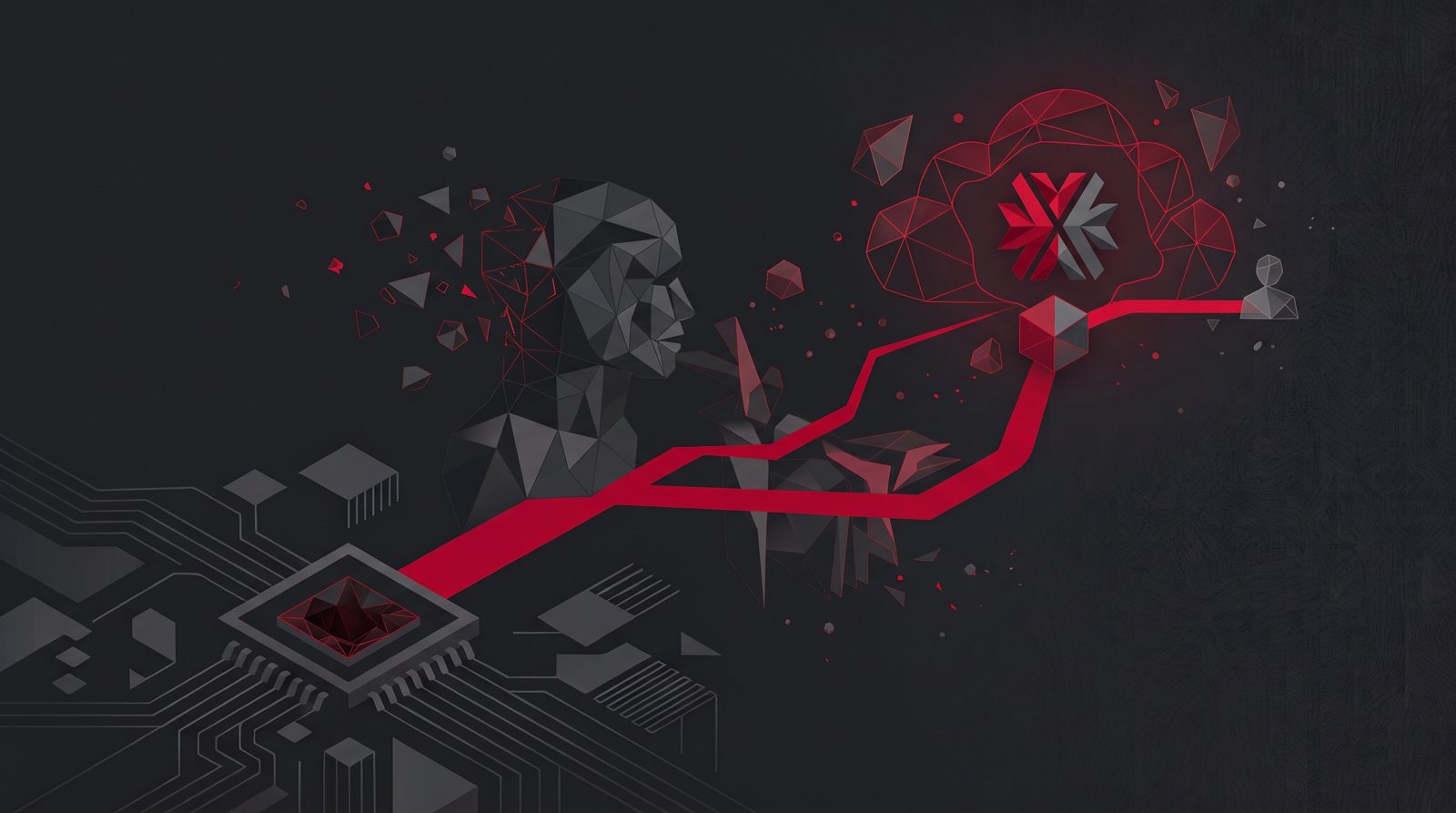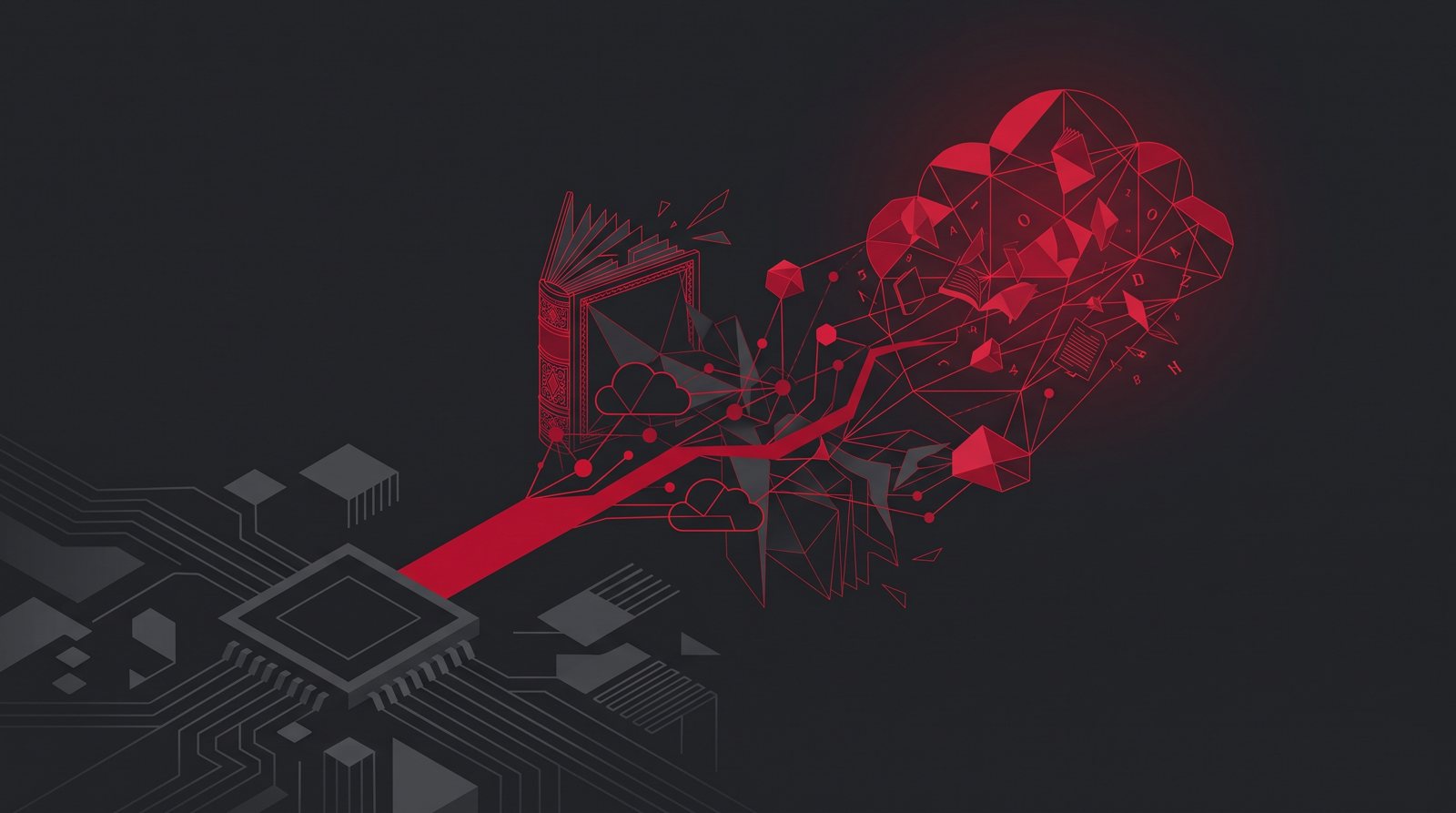
Amazon has started shredding rare, physical books after digitizing their pages for AI training datasets, According to TechCrunch. The company that built its entire reputation shipping used and out-of-print titles from a garage in Seattle is now treating centuries-old volumes as disposable raw material for a very different kind of catalog: the corpus that trains its large language models.
The practice marks a break from how large-scale book digitization has historically worked. Google Books, the Internet Archive, and university libraries that scanned millions of volumes over the past two decades made a point of preserving the physical originals afterward — in climate-controlled storage, sometimes for decades — precisely because a scan is not a perfect stand-in for the object it came from. Amazon's approach skips that step.
That distinction matters more than it might seem, and it says something about where the AI industry currently sits in its hunt for training data.
Why rare books are suddenly valuable
Frontier labs have spent the past two years running into the same wall: the open web is largely scraped out, and the highest-quality, human-written text left to mine sits in places that are expensive, legally fraught, or physically hard to reach. Rare and out-of-print books check several boxes at once for a company assembling training data:
- Many predate modern copyright terms, making them far less likely to trigger the kind of lawsuits publishers and authors have filed against OpenAI, Meta, and others over training-data sourcing.
- They were often never digitized, meaning their text has never touched an existing web-scraped corpus — genuinely new tokens rather than duplicates of content models have already seen.
- Older texts carry vocabulary, syntax, and subject matter that's underrepresented in contemporary web text, which can help diversify a model's training mix.
The trade-off nobody can undo
Digitizing a book and then destroying it is a one-way door. Once the physical copy is gone, there is no way to rescan it at higher resolution, correct an OCR error against the original page, or verify that the digital copy is actually faithful to what was printed. For a common paperback, that tradeoff is low-stakes. For a rare or singular volume, it isn't — the physical object is often the only surviving copy, and its destruction eliminates not just a book but a piece of the historical record that scholars, collectors, and future archivists can never get back.
- Any OCR or scanning error becomes permanent and unverifiable.
- Marginalia, bindings, printing variants, and provenance markers — details that matter to historians and collectors, not just to a language model — are lost.
- There's no path to reprocess the source material as scanning and OCR technology improves.
What it means for teams building on book data
For AI builders licensing or acquiring book-derived training data, the practical lesson is about provenance, not headlines. A dataset assembled by scanning-then-shredding is, by construction, unverifiable against its source — you're trusting the vendor's OCR pipeline with zero ability to audit it later. That's a meaningfully different risk profile than a dataset built from scans of books that still exist in a library somewhere and can be spot-checked.
- Ask vendors whether source physical copies are retained, and if not, what QA process ran before disposal.
- Treat OCR error rates in irreversibly-sourced datasets as a permanent, non-correctable property of that data, not a bug to be patched later.
- Expect legal and reputational scrutiny of book-training pipelines to keep rising — publishers and authors' groups have already sued multiple AI labs over training-data sourcing, and destroyed physical evidence tends to draw more attention, not less.
AiiN's takeaway
The bigger story here isn't really about Amazon's model performance — it's about what the disposal decision reveals about how data pipelines get optimized: for throughput and cost, not preservation. A scanning operation that kept every book afterward would cost more in storage and logistics than one that shreds as it goes. In our estimation, this kind of story is likely to become a recurring flashpoint as libraries, archivists, and rights holders realize how their material is entering AI training sets — expect more pressure for disclosure around data provenance over the next year, not less.