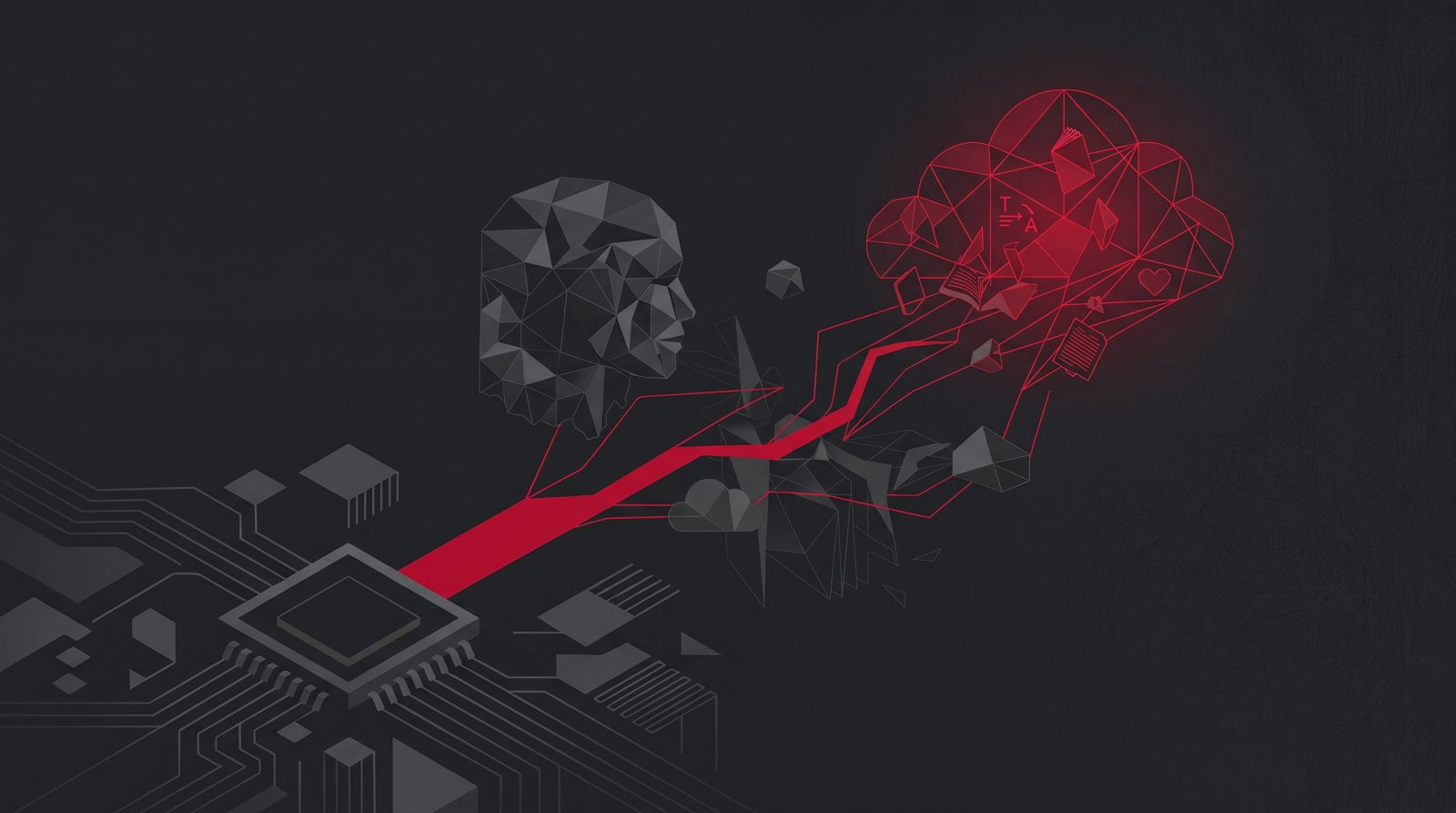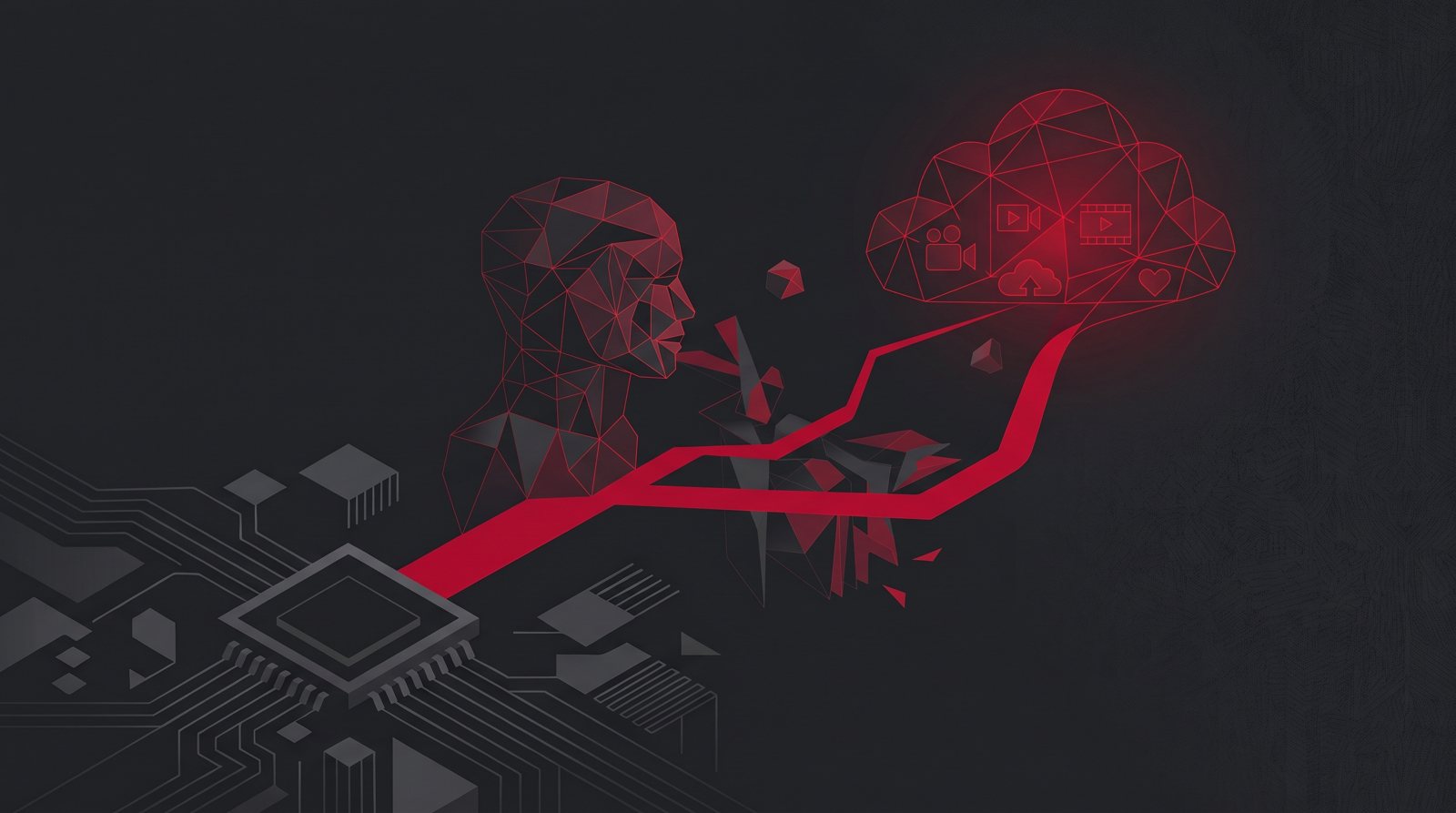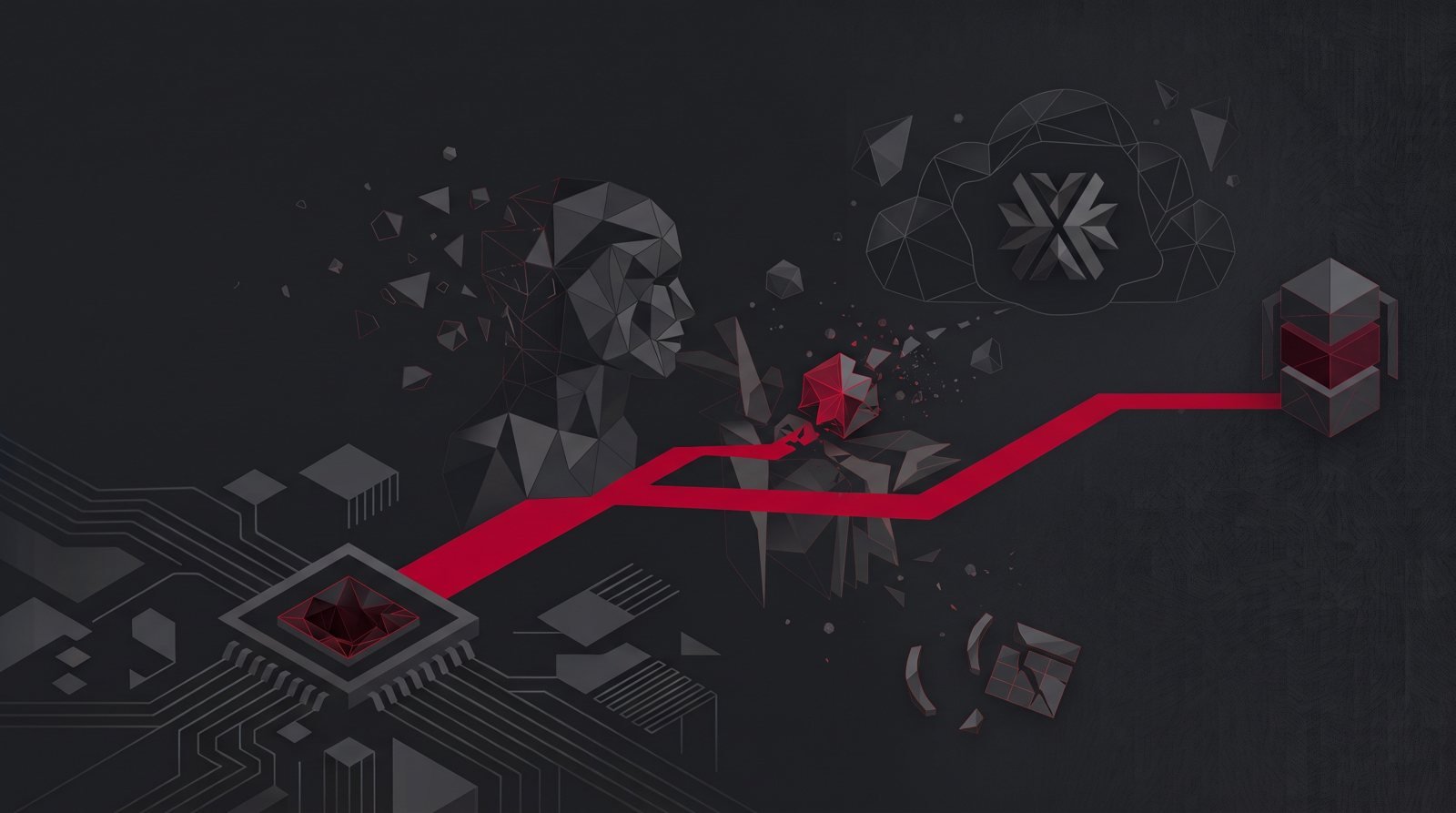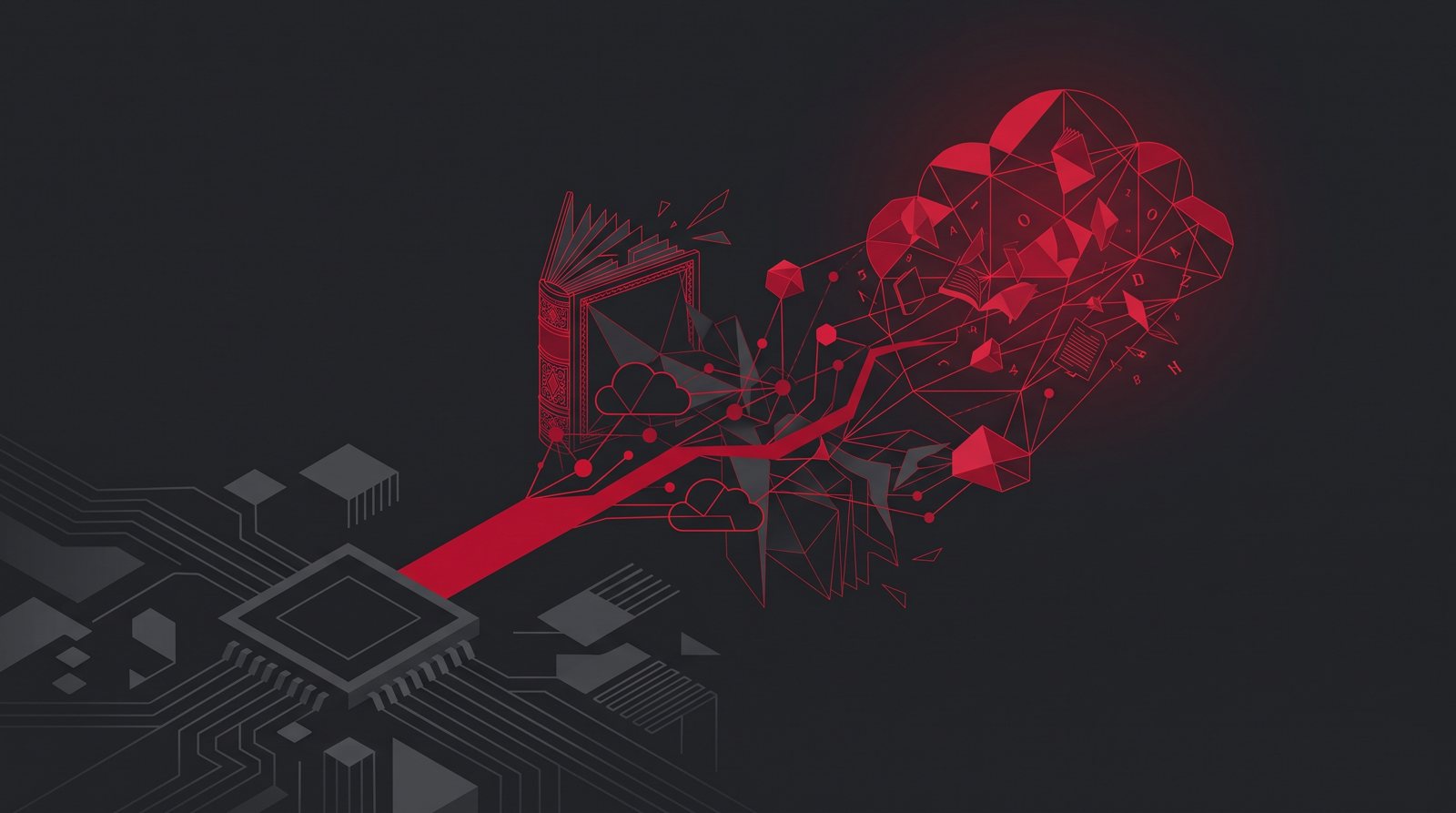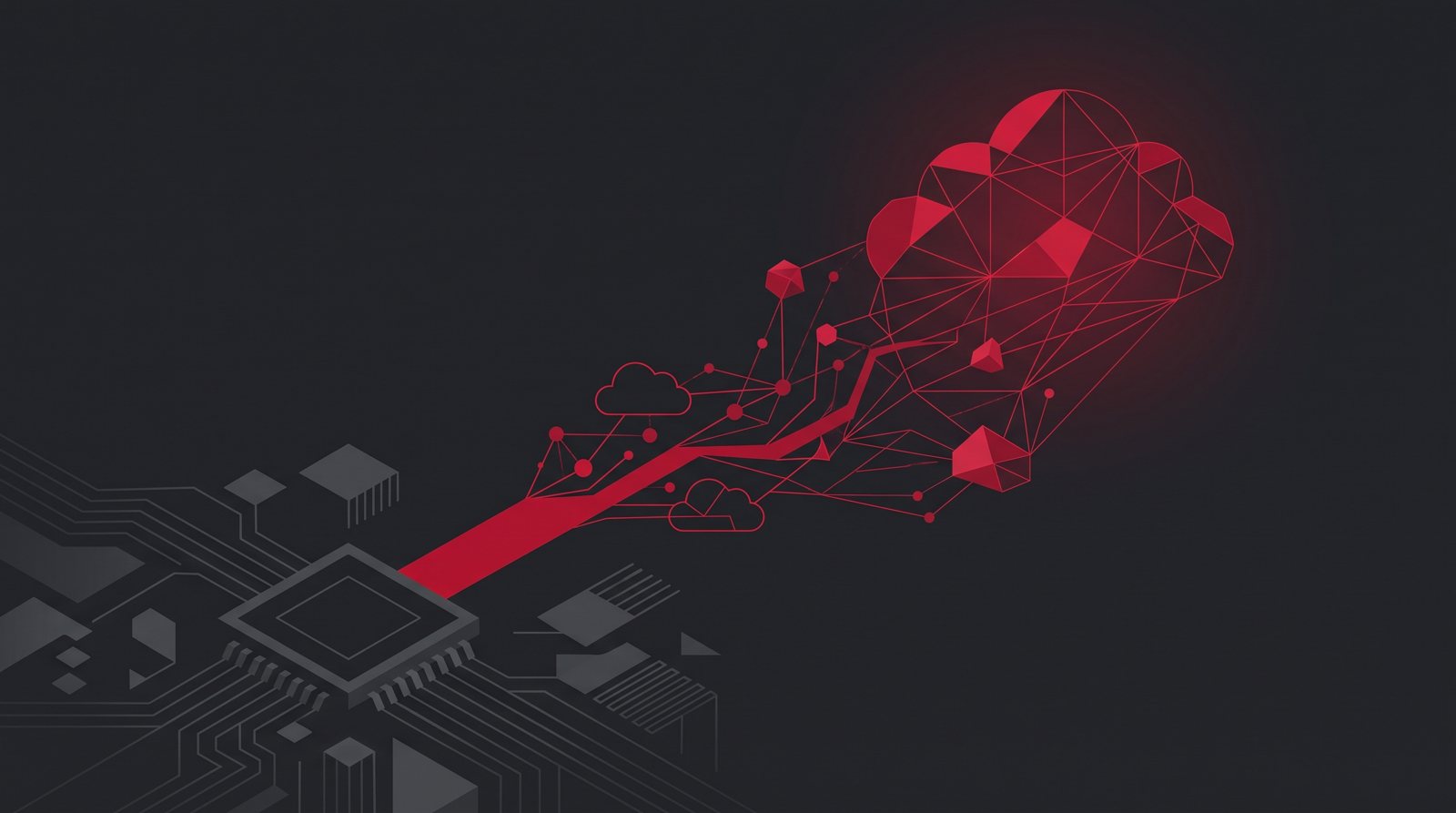
Groq has raised $350 million in fresh capital to speed up a strategic shift: turning itself from a chip vendor into a compute cloud provider — a category increasingly known as a "neocloud." According to TechCrunch, the funding is earmarked specifically to fuel that transition rather than to bankroll new chip development.
The move matters because Groq built its reputation as a hardware company. Its LPU, or Language Processing Unit, chips were designed under founder Jonathan Ross, who previously worked on Google's TPU project, and were pitched as a faster, more predictable alternative to Nvidia GPUs for inference — the stage where a trained model generates outputs rather than being trained. Demos showing hundreds of tokens generated per second helped Groq build a following among developers frustrated with GPU queueing and unpredictable latency.
From selling silicon to renting compute
Groq already operated GroqCloud, an API that lets developers send requests to its chips and pay per token, much like any other inference provider. What the new funding signals is a deeper commitment to that side of the business: building and operating data center capacity at scale, rather than treating the API as a showcase for hardware sales. The distinction matters. A chip company sells discrete units to enterprises that then run and maintain their own infrastructure. A neocloud sells access — compute by the hour or by the token — and keeps the hardware, the power contracts, and the operational risk on its own books.
Why chip companies are turning into landlords
The pivot fits a pattern set by CoreWeave, which built a multi-billion-dollar cloud business by leasing Nvidia GPU clusters to AI labs instead of selling hardware directly, and went public on the strength of that model. Lambda, Crusoe, and Together AI have followed similar paths, and now a company that started as a pure chip designer is moving the same direction. The appeal is straightforward: recurring, usage-based billing is more predictable than enterprise hardware sales cycles, which depend on winning discrete contracts and can leave revenue lumpy quarter to quarter. In our estimation, becoming a neocloud also lets Groq capture more of the value its chips generate directly, rather than handing margin to whichever customer buys and resells access to them.
What it means for AI builders
For teams already building on top of inference APIs, the practical questions are less about chip architecture and more about vendor reliability, since the underlying hardware story becomes secondary to how the service is delivered. Points worth tracking:
- Capacity, not benchmarks, becomes the constraint. Once Groq is competing as a cloud provider, questions like available throughput, regional data center coverage, and uptime matter as much as raw tokens-per-second figures.
- The competitive set widens. Groq now sits alongside CoreWeave, Lambda, Crusoe, Together AI, and Fireworks as an inference-hosting option, not just alongside Nvidia as a chip alternative.
- Pricing may shift as capital gets redirected. Money spent on data centers and power contracts is money not spent on next-generation chip R&D — worth watching if Groq's per-token pricing or roadmap changes over the next few quarters.
- It signals where AI infrastructure money is flowing. A $350 million round aimed at cloud buildout, rather than chip development, is a data point for anyone tracking how AI-infrastructure capital is being allocated across the industry.
AiiN's takeaway
The $350 million doesn't change what Groq's chips do; it changes who Groq is trying to be. Betting on rented compute is a bet that steady, usage-based cloud revenue beats episodic hardware sales in a market where every AI company needs inference capacity now, not eventually. That's a familiar test for cloud businesses, and a new one for a chip startup. For builders choosing an inference provider, the decision increasingly looks like choosing a cloud vendor — measured in uptime, per-token pricing, and available capacity — rather than a chip benchmark comparison.