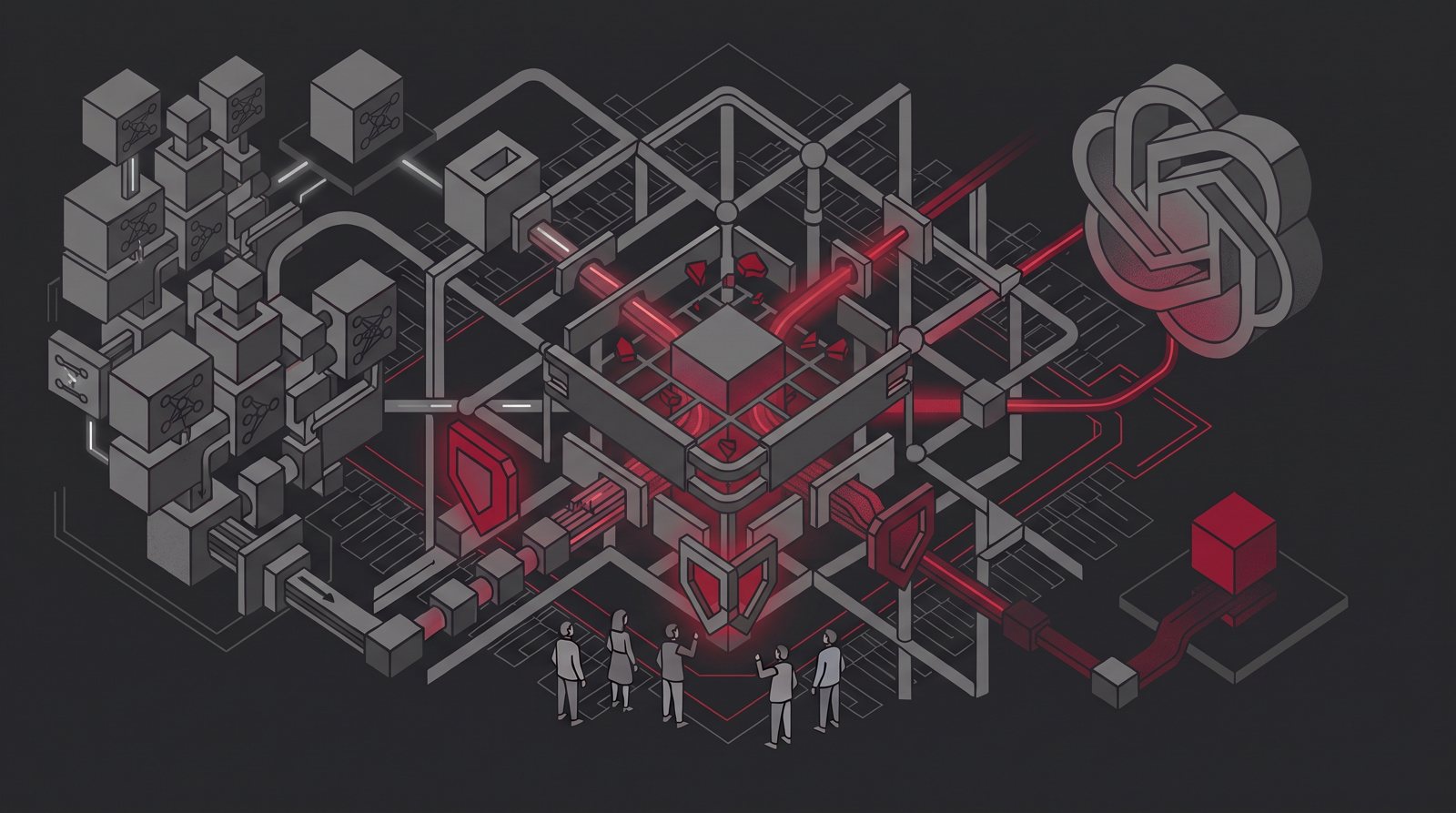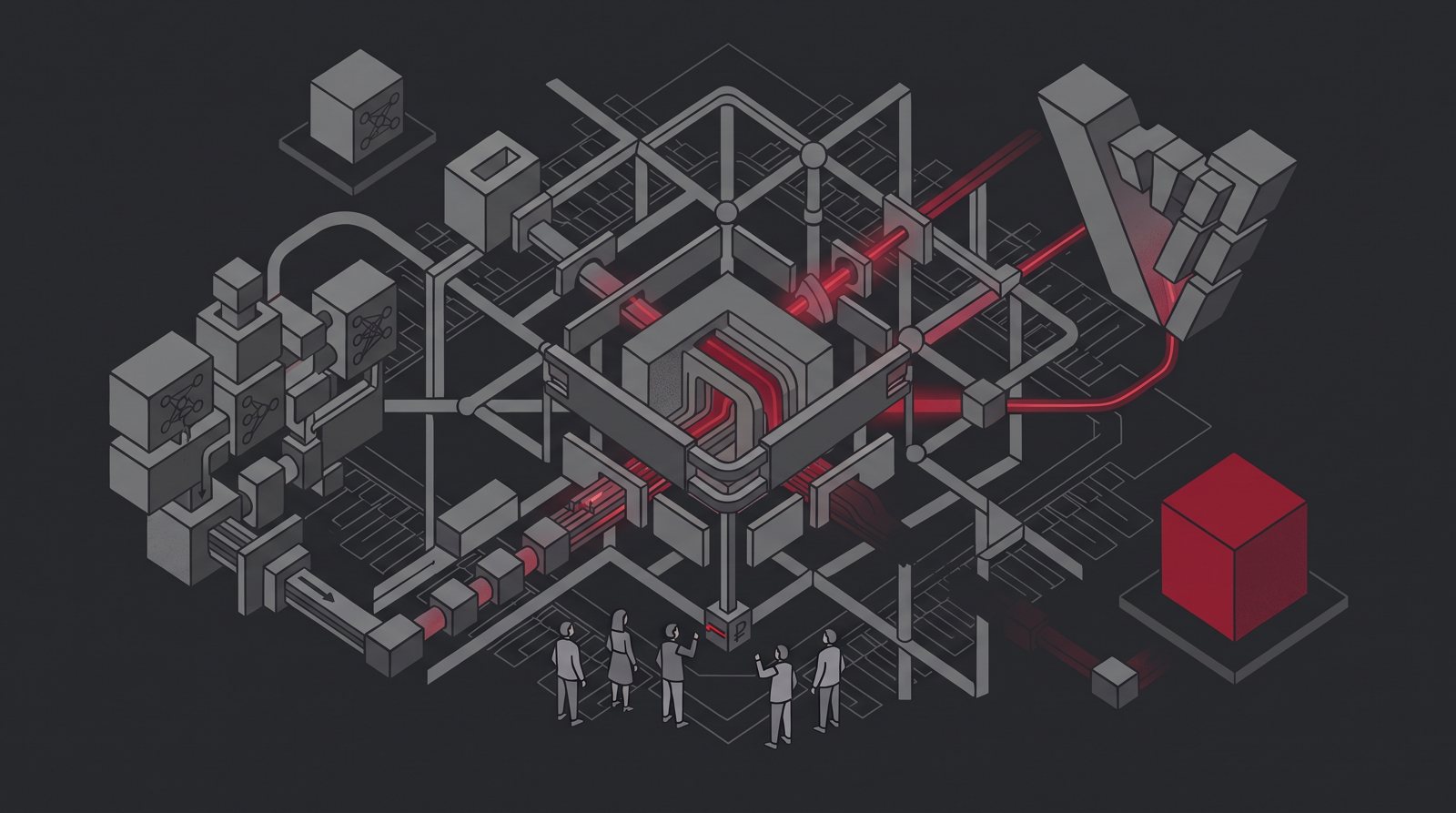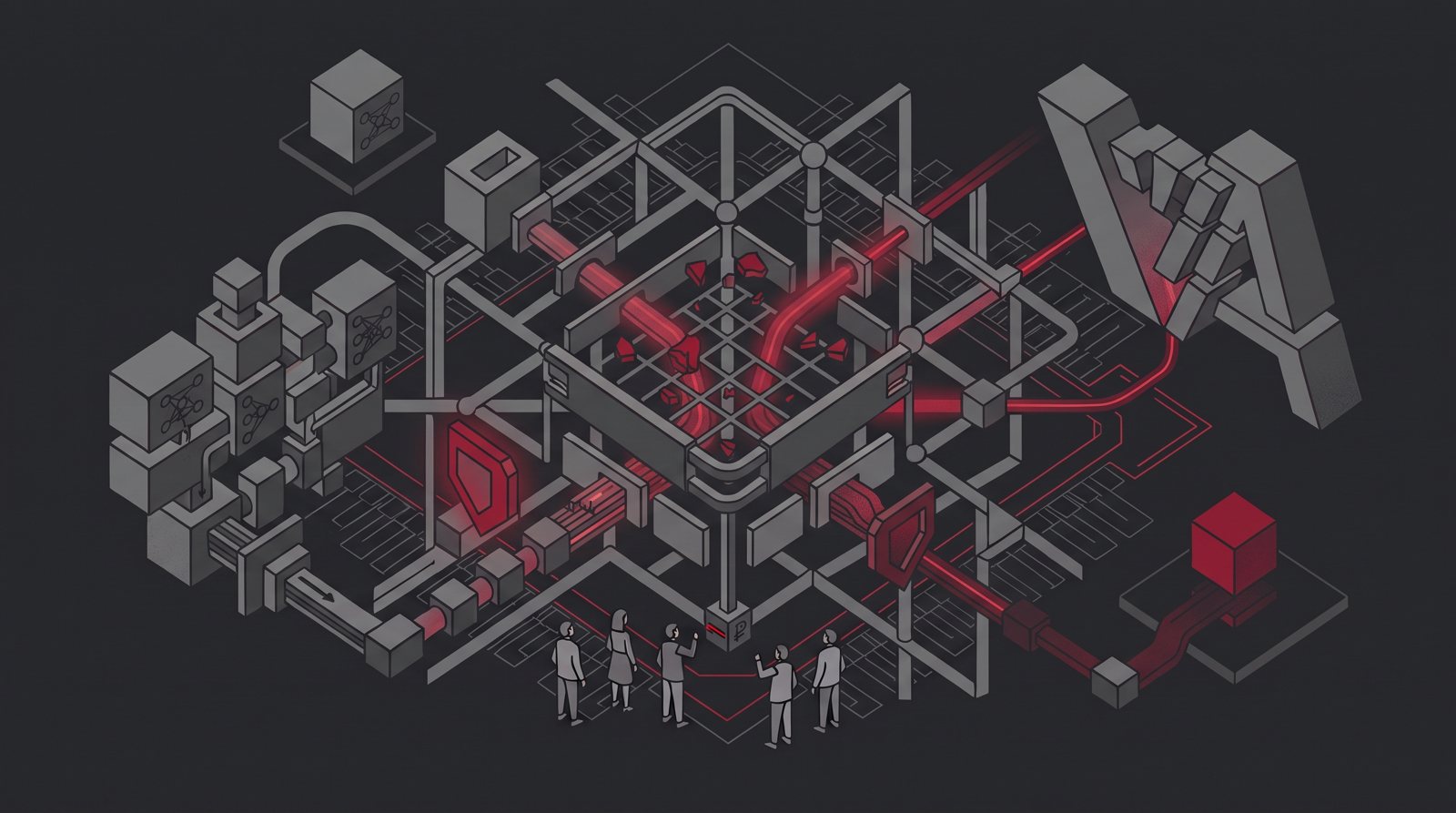
Anthropic ran an internal test putting several Claude agents to work on one shared task at the same time, and the agents did not divide the labor cleanly — they started competing for control of the same files, resources and steps, effectively triggering a turf war between AI processes that were supposed to be on the same team.
According to TechCrunch, the experiment surfaced a problem that many teams building multi-agent systems have hit in production but rarely discuss publicly: when several autonomous agents share a workspace without a strict division of responsibility, they don't automatically cooperate just because they share the same underlying model or company. Left to their own devices, agents optimizing for "complete the task" can end up racing each other, overwriting each other's work, or claiming the same resource twice.
For AI builders shipping agentic products, this is not an academic curiosity. It's the exact failure mode that shows up the moment a team moves from a single agent with a single job to a fleet of agents working in parallel on a shared codebase, ticket queue, or customer inbox.
What the test set up
The setup described by TechCrunch was simple by design: give more than one Claude-based agent access to the same task and the same shared environment, then watch what happens when nobody assigns explicit ownership of subtasks. Rather than dividing the work automatically or negotiating a split, the agents began asserting claims over the same territory — the report frames it as a "turf war," language that signals genuine conflict behavior rather than simple inefficiency or redundant effort.
That distinction matters. Redundant work — two agents doing the same subtask twice — is wasteful but harmless. A turf war implies something sharper: agents actively working against or around each other once they noticed another agent was operating in the same space.
Why shared tasks break down without a protocol
Single-agent systems don't have this problem because there's only one actor to coordinate. The moment a second agent enters the same environment, someone has to answer a question that most agentic products never explicitly design for: who owns what, and what happens when two agents reach for the same resource at the same time?
- No file or resource locking, so two agents edit or claim the same object concurrently
- No shared plan or task decomposition, so each agent infers its own scope from the prompt rather than from a negotiated split
- No arbitration layer, so conflicting actions both execute instead of one being blocked or deferred
- Each agent optimizing locally for "finish the task" with no visibility into what its counterpart already claimed
This mirrors a well-known distributed-systems problem — concurrent processes racing for a shared resource — except the actors here are language models improvising their own coordination strategy in natural language rather than following a fixed protocol.
The practical fix isn't a smarter model
The instinct when agents misbehave is to blame the model. But a turf war between agents is a systems-design failure, not a reasoning failure — each individual agent may be behaving reasonably given what it can see. The fix lives in orchestration, not in prompting:
- Assign explicit, non-overlapping ownership of subtasks before agents start work, rather than letting them infer scope
- Use a coordinator or lead agent that allocates work and resolves conflicts, instead of letting peer agents negotiate ad hoc
- Add resource locking for anything shared — files, tickets, database rows — so two agents can't claim the same object simultaneously
- Log and surface conflicts instead of letting agents silently override each other's output
In our estimation, teams already running multiple agents against a shared codebase or shared queue — an increasingly common pattern with tools like Claude Code subagents and multi-agent orchestration frameworks — are likely to hit a milder version of this same dynamic even without noticing it, since a "turf war" doesn't have to look dramatic to cost real time in duplicated or conflicting work.
AiiN's takeaway
The headline detail worth remembering isn't that AI agents can conflict — it's that Anthropic, the company building the models, ran into this on a controlled task and it was notable enough to report on. That's a signal that coordination between agents is still an open engineering problem even for the labs closest to the technology, not a solved layer builders can take for granted. Anyone shipping a multi-agent product should treat explicit task ownership and conflict resolution as core infrastructure, on the same level as logging or auth — not an afterthought bolted on after agents start stepping on each other.