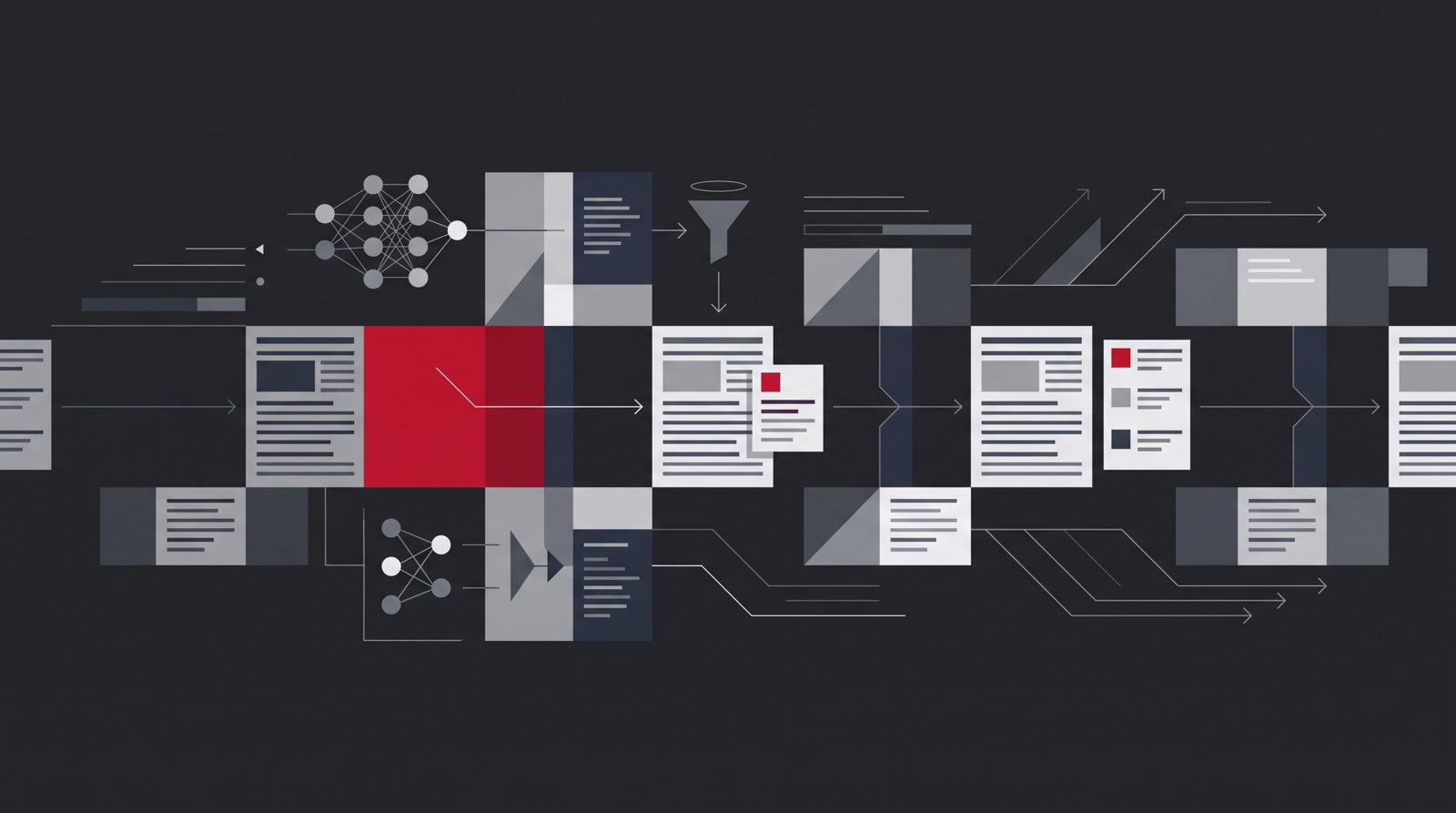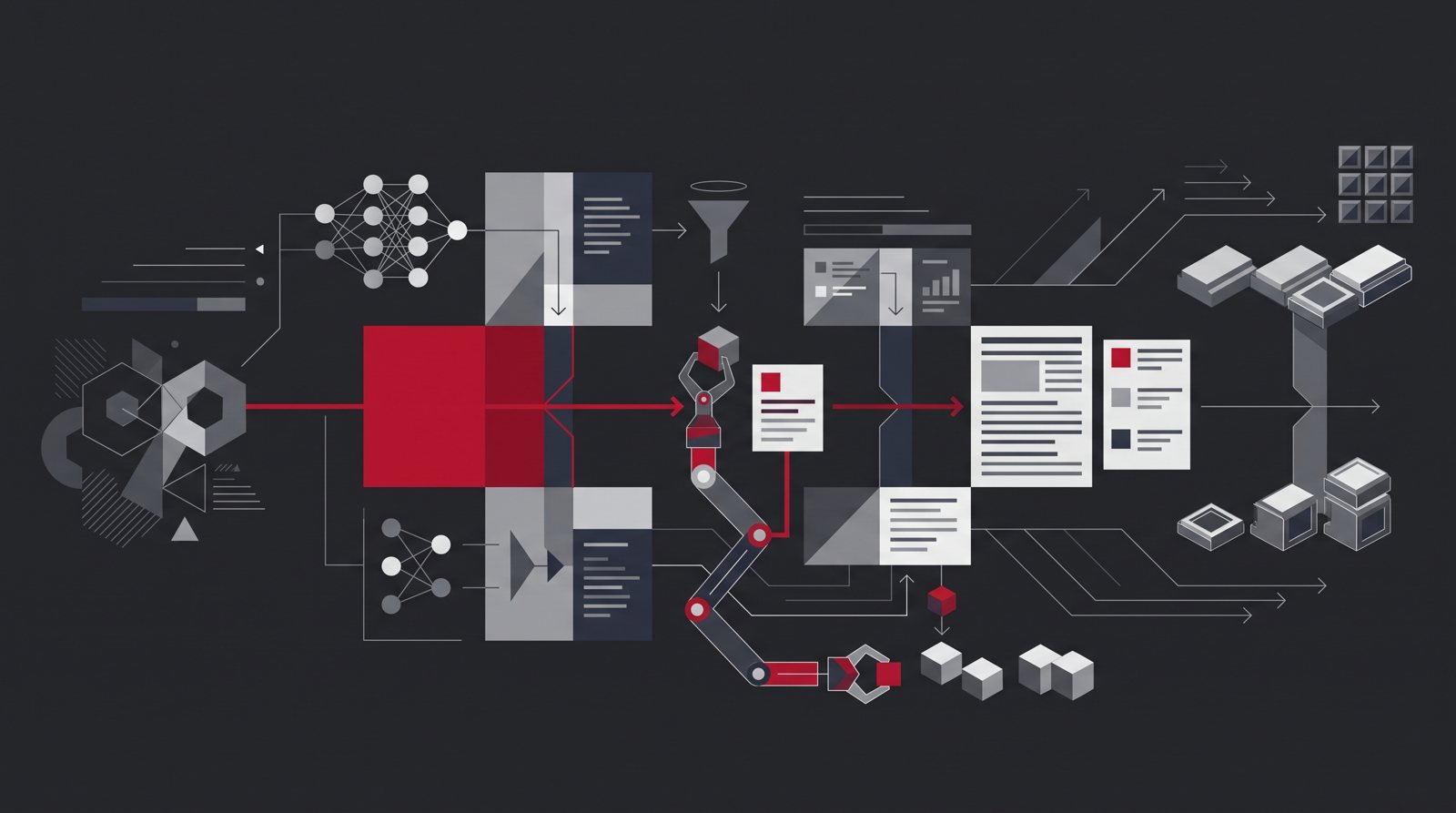
A group of engineers who previously built rockets at SpaceX has turned its attention to a far less glamorous material: steel. The team is now constructing a fully robotic factory dedicated to producing steel parts, According to Ars Technica AI, which reported on the project in August 2026.
The pitch is simple even if the engineering isn't: instead of hiring more welders, machinists and material handlers, the venture wants robots — coordinated by software rather than individual human operators — to run the physical production line end to end. It's a bet that the manufacturing playbook SpaceX and Tesla popularized for rockets and cars can be pointed at one of the oldest, heaviest industries on the planet.
For AI builders, the interesting part isn't the steel — it's the control stack. A factory floor is one of the hardest environments to automate with machine learning: parts vary, tolerances are unforgiving, and a bad decision can destroy expensive material or injure someone. Getting robots to handle that reliably is as much an AI systems problem as a mechanical one.
Why steel, why ex-SpaceX engineers
Steel fabrication has resisted automation longer than most heavy industries. Global steel output runs into the billions of tons a year, yet a large share of custom and low-volume parts — brackets, structural components, tooling — are still cut, formed and welded by hand or with machines that need a skilled operator for every job change. That makes lead times long and costs sensitive to local labor availability.
SpaceX's manufacturing culture was built around the opposite instinct. Elon Musk has repeatedly described the machine that builds the machine as harder, and ultimately more valuable, than the product itself — the idea that investing in the production system pays off more than iterating on the part. Engineers who spent years inside that culture, wrestling with in-house machining, welding and tooling for rocket hardware, are a natural source of founders willing to apply the same logic to unrelated materials.
That pattern is already visible elsewhere. Companies such as Hadrian and Machina Labs, both founded by alumni of SpaceX and Tesla, have built robotic machine shops and forming systems that use software-driven arms and computer vision to cut turnaround times for metal aerospace and defense parts. The steel-focused venture described by Ars Technica AI fits the same lineage: engineers trained on high-stakes, low-margin-for-error production leaving to rebuild a slower industry from the shop floor up.
What a robotic factory actually requires
Building a factory where robots — not people — are the default operators typically means solving several problems at once:
- Perception that works on dirty, reflective, and irregular metal stock, not clean lab objects
- Motion planning and force control precise enough for cutting, welding and forming without a human correcting mistakes in real time
- Software that can reconfigure a robotic cell for a new part without weeks of manual reprogramming
- Quality inspection that catches defects inline, at production speed, rather than after a batch is finished
None of these are solved problems in robotics research. Each one is closer to a systems-integration challenge than a pure AI research question — which is exactly the kind of work aerospace manufacturing engineers, rather than robotics PhDs, tend to be good at.
Practical implications for AI and robotics teams
For teams working on physical AI, this story is a useful data point rather than a blueprint. A few takeaways:
- Heavy industry remains a large, underautomated target for applied robotics — the bottleneck is often integration and reliability engineering, not model capability
- Domain expertise from adjacent high-tolerance industries (aerospace, automotive) transfers well to problems like steel fabrication, because the hard part is process control, not the material itself
- Inline quality inspection — catching a bad weld or an out-of-tolerance cut immediately — is where computer vision and sensor fusion earn their keep on a factory floor, more so than headline-grabbing generative capabilities
In our estimation, ventures like this are likely to compete less on novel AI models and more on how tightly they can integrate perception, control and mechanical design into a single reliable production cell — the same discipline that made SpaceX's rocket production line work.
AiiN's takeaway
The headline detail worth remembering isn't that ex-SpaceX engineers started a company — that's now a well-worn path. It's that they picked steel, a commodity material with thin margins and brutal cost pressure, rather than a higher-margin niche like aerospace-grade titanium. If a robotic factory can make cutting, welding and forming steel parts cheaper and faster than a human-run shop, the same production model becomes a template for dozens of other heavy-industry supply chains that have been waiting for automation to become good enough to trust. That's the bet worth watching, whether or not this particular factory succeeds.