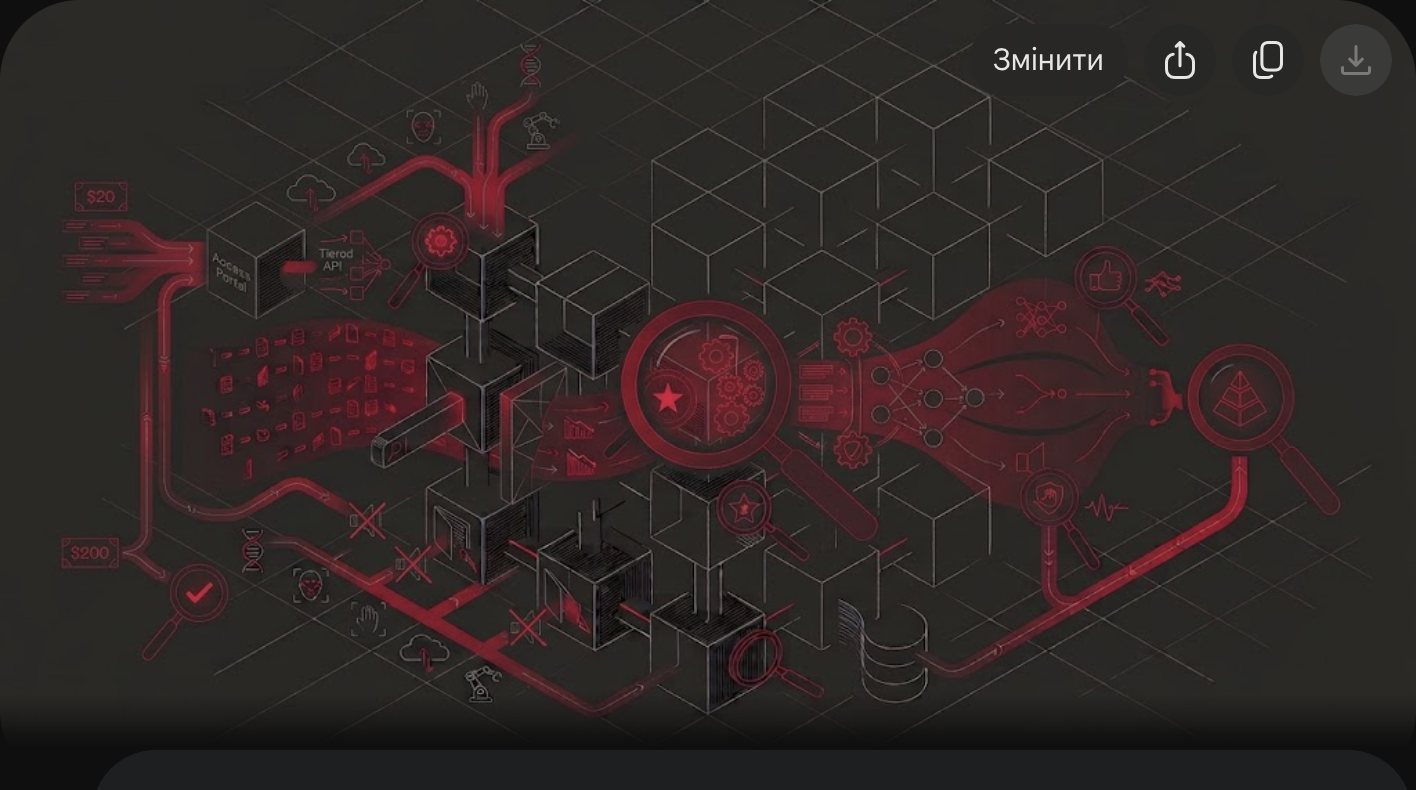
Anthropic has opened the door to adult-content generation on Claude Opus 4.6, but only for verified corporate customers — not consumer users on claude.ai, and not through a simple API flag anyone can flip. The company confirmed that verified business accounts can now request outputs the model would previously have refused by default, including explicit sexual content that fell outside Anthropic's usage policy for years.
The change landed with immediate pushback. Critics argue that a lab which has spent its short history marketing itself as the safety-first alternative to OpenAI and Google is now selling access to exactly the category of content it used to cite as a reason to say no.
According to TechCrunch, the relaxed rules are tied specifically to Opus 4.6 and require enterprise-level verification — a gate, not an open switch.
A gated exception, not a policy reversal
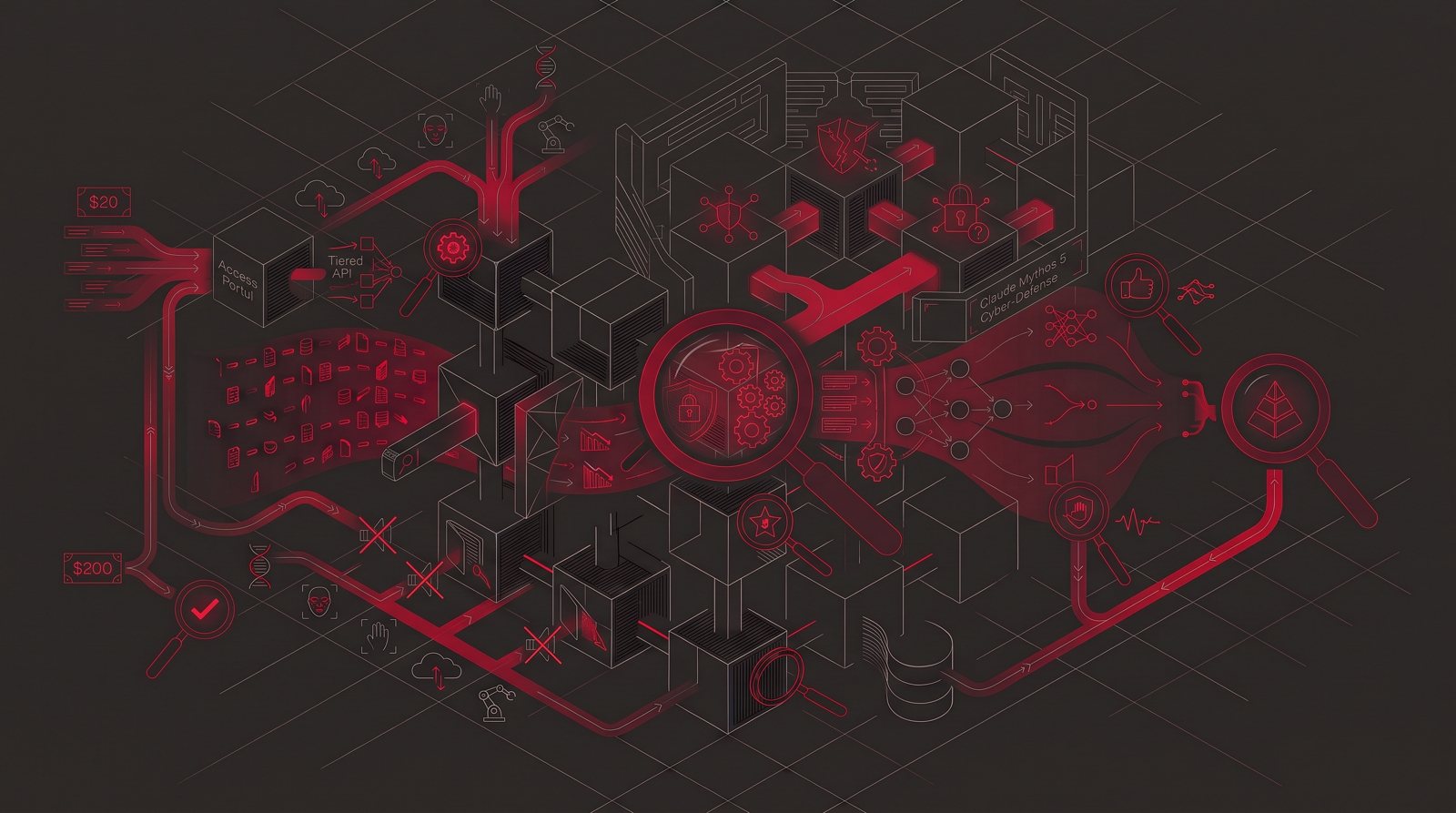
The distinction between "verified enterprise" and "everyone" matters. Anthropic isn't rewriting Claude's default behavior for the millions of people using the free or Pro consumer app, and it isn't handing every developer with an API key a way to generate adult material on demand. What's changed is narrower: businesses that go through Anthropic's verification process — the kind of KYC-style check already used to unlock other restricted capabilities — can now request content the model used to refuse outright.
That framing lets Anthropic argue it hasn't abandoned its safety posture so much as segmented it: strict defaults for the open consumer product, a negotiated exception for accountable business customers who have identified themselves and presumably agreed to usage terms that put liability on their side of the relationship.
Why now: creative use cases were leaking to competitors
The practical driver is competitive. Companion apps, interactive fiction platforms, and roleplay products are a real and growing commercial category, and model providers with stricter content rules have been losing that business to rivals willing to serve it. Anthropic's refusal-heavy defaults, long a selling point for enterprise buyers worried about brand risk, have also been a wall for any customer building in the adult-adjacent creative space. Opening a verified, gated path lets Anthropic capture that revenue without changing what the average developer or consumer experiences.
In our estimation, this is Anthropic testing whether it can hold its safety-brand positioning with mainstream and regulated customers while still competing for the creative-content market it had effectively ceded — a balancing act, not a settled strategy.
What it means if you build on Claude
For teams building products on Anthropic's models, the practical questions are less about ethics and more about access and predictability:
- Enterprise verification is now a capability gate, not just a compliance formality — expect it to unlock content categories, not only higher rate limits.
- Consumer-facing apps built on the standard API should assume no change: the refusal behavior that ships by default stays intact.
- Companies in adult-adjacent creative or companion-app categories now have a legitimate route to request access, rather than relying on jailbreak-style prompting that violated terms of service.
- Brand-sensitive customers building regulated or child-facing products get a cleaner separation: Anthropic can point to the gate as proof that loosened content doesn't leak into the default product they're relying on.
The open question TechCrunch's reporting raises — and one worth watching — is how tightly Anthropic can actually enforce that boundary once the capability exists inside the model rather than purely at the interface layer.
AiiN's takeaway
This is a company managing two audiences at once. Anthropic still needs enterprise and government customers who value predictable, conservative model behavior — that trust is core to its valuation. At the same time, it doesn't want to keep ceding an entire category of paying creative and companion-app customers to less restrictive competitors. Gating adult content behind enterprise verification is a way to have both without officially rewriting the brand: strict by default, flexible for accountable customers who pay for the exception. Whether that line holds — technically and in public perception — is the story to watch from here.