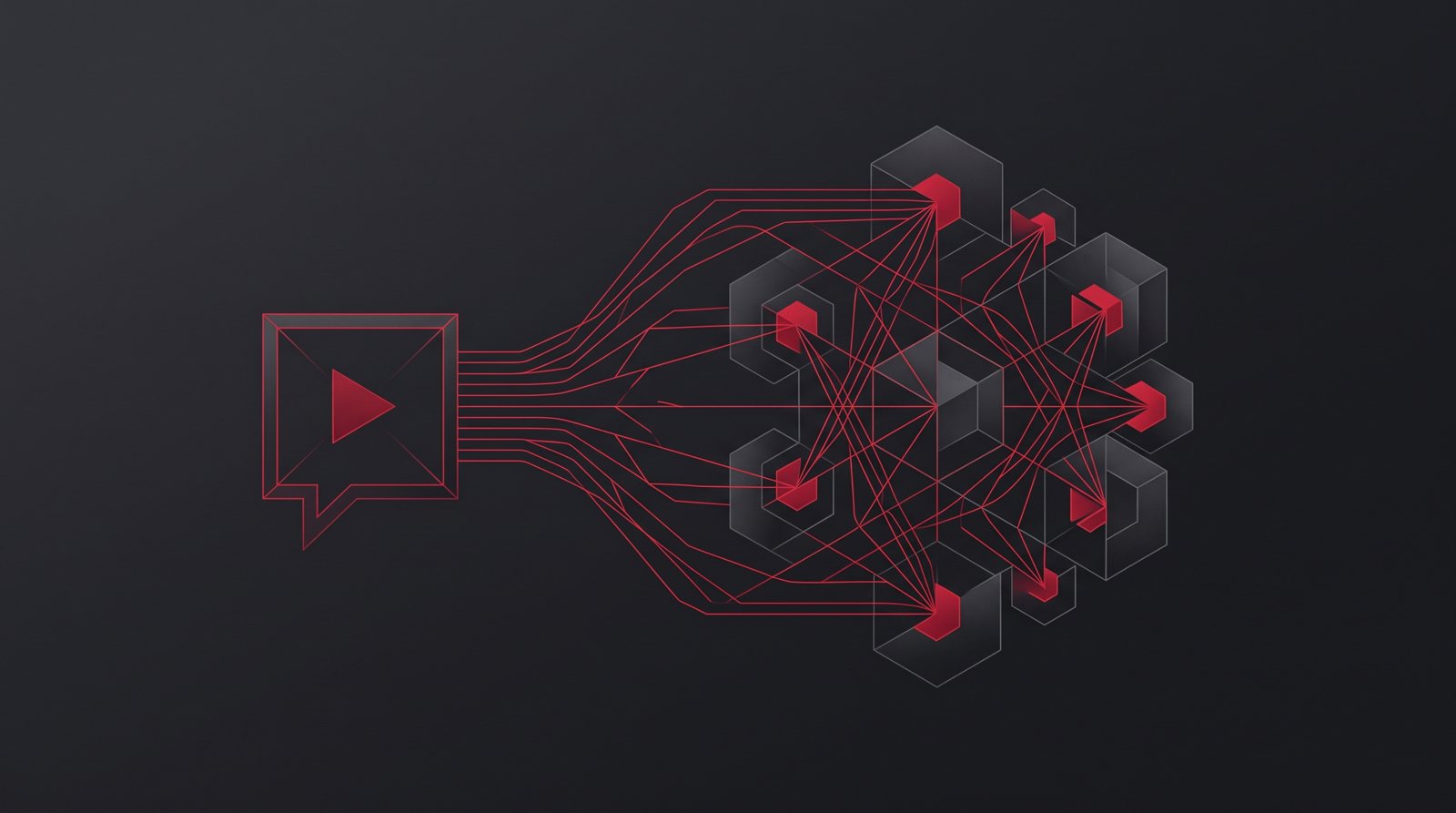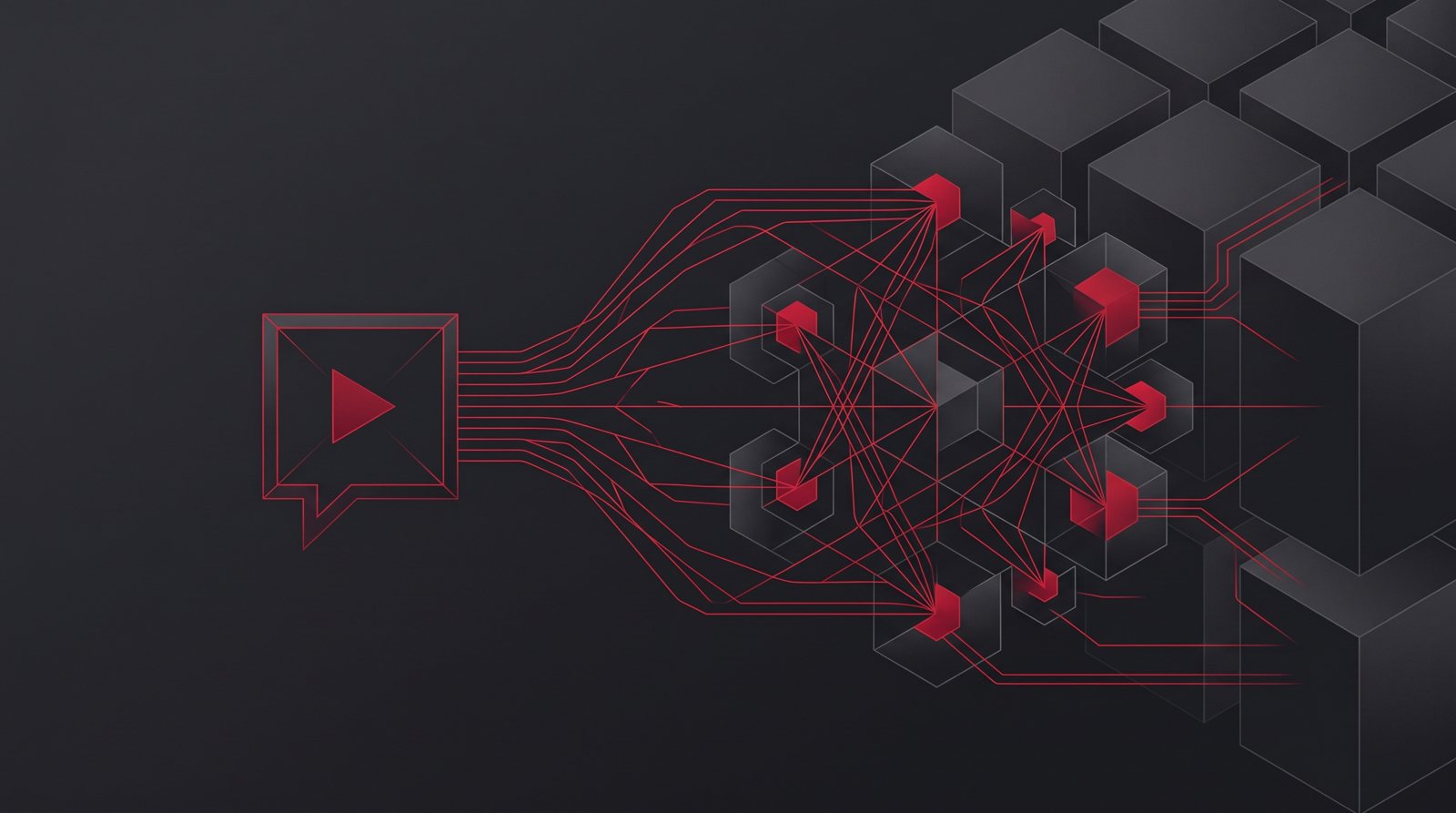
Amazon will train its in-house AI models on content produced by Twitch streamers, according to AIN.ua, which reported the move on August 13, 2026. Twitch has operated as an Amazon subsidiary since the company's 2014 acquisition, a deal worth roughly $970 million, which means one of the internet's largest pools of continuous live video, voice, and chat data now sits under Amazon's direct control.
That detail matters more than the headline alone suggests. Most frontier AI labs have already scraped the readable web down to the studs, and video is the frontier everyone is racing toward next. A livestream is not a scripted broadcast — it is hours of unscripted speech, spontaneous reaction, and overlapping chat commentary generated around the clock across gaming, coding, music, and talk content. Few companies control a dataset shaped like that at Amazon's scale, and now one of them is planning to put it to work.
The AIN.ua report doesn't specify which models the Twitch data will feed, how much footage is involved, or on what timeline the training will happen. But the strategic backdrop is clear enough: Amazon has spent the past two years building out its Nova model family and expanding Alexa+ into a more capable, multimodal assistant, and both efforts compete directly with labs that don't have a first-party video platform to draw on.
What makes streaming data different
Text scraped from the web is static and already filtered by whoever published it. Streaming data is not. It pairs synchronized video, audio, and a live chat transcript that reacts to the stream in real time — a structure that is hard to replicate any other way. For builders working on multimodal models, that kind of paired, timestamped signal is exactly what's scarce right now, more so than raw video volume itself.
- Synchronized video, audio, and live chat text — three modalities generated together, not stitched together after the fact
- Wide domain coverage — gaming, coding, music, cooking, and talk streams all produce different vocabulary and visual context
- Continuous, largely unedited footage, which is closer to raw human behavior than produced video content
Open questions for creators
What the report does not address is how Twitch streamers themselves are meant to factor into this. Whether the content is used with individual consent, whether creators are compensated, or whether existing Twitch terms of service already grant Amazon the license it needs, is not stated in AIN.ua's coverage.
There is precedent for platform owners doing this without extra pay to individual users. YouTube's terms already give Google broad rights over uploaded video, and Reddit signed a licensing deal with Google in 2024 that monetized its user-generated posts without paying individual redditors directly. If Amazon follows that playbook, streamers would be contributing to model training the same way any user of a platform contributes to its owner's data assets — as a term of using the service, not as a negotiated deal.
What this means for AI builders
For teams building on top of Twitch's API, or competing with Amazon in multimodal AI, this is worth tracking for two reasons. First, it signals that live, chat-annotated video is becoming a recognized category of training data, not just an afterthought — expect more platform owners to formalize similar arrangements with their own user bases. Second, it's a reminder that access to proprietary, high-volume data sources is turning into as much of a competitive moat as model architecture itself.
AiiN's takeaway
In our estimation, the more interesting story here isn't Amazon's decision itself but what it signals about where training data is coming from next: not more scraped text, but owned platforms with live, multimodal user activity that competitors can't access. That shift changes who can compete at the frontier — it favors companies that already own a distribution platform over those that only build models. For Twitch streamers, the practical move is simple: read the terms of service update when it lands, and treat it the same way you would any platform policy change that touches how your content gets used.