TerraPower, the nuclear startup Bill Gates founded in 2008, is building its first commercial reactor in Kemmerer, Wyoming with a capability no conventional large power plant on the U.S. grid currently offers: the ability to boost its electrical output by roughly 45% for hours at a time, on demand, without adjusting the reactor core itself.
According to TechCrunch, that flexibility is emerging as the selling point that could make TerraPower's Natrium design attractive to AI data center operators — a customer base whose electricity draw is notoriously erratic, swinging by tens or hundreds of megawatts within seconds as GPU clusters shift between full training runs and idle checkpoints.
The mechanism behind this is not new — TerraPower has described it publicly for years — but the framing is: a nuclear plant that behaves less like a fixed baseload generator and more like a battery with a reactor attached to it.
Why steady nuclear power is a mismatch for AI load
Traditional nuclear reactors are built to run flat out, 24/7, at a single output level, because ramping a fission reaction up and down quickly is neither easy nor something regulators encourage. That has always been fine for grids with predictable, slowly-changing demand. It is a worse fit for a hyperscale AI campus, where:
- A single large training cluster can swing its power draw by 20-30% within seconds when a job pauses or checkpoints
- Grid operators have flagged synchronized load jumps from co-located GPU racks as a stability concern, distinct from ordinary industrial demand
- Data center operators typically need both a firm floor of power and headroom for peaks, rather than one flat number
Gas turbines can follow that kind of load easily, which is why most hyperscalers hedge nuclear power-purchase deals with on-site or nearby gas generation. Batteries can absorb short spikes but are expensive to scale to hundreds of megawatts for hours-long bursts. Nuclear, historically, could do neither.
The molten-salt buffer TerraPower is betting on
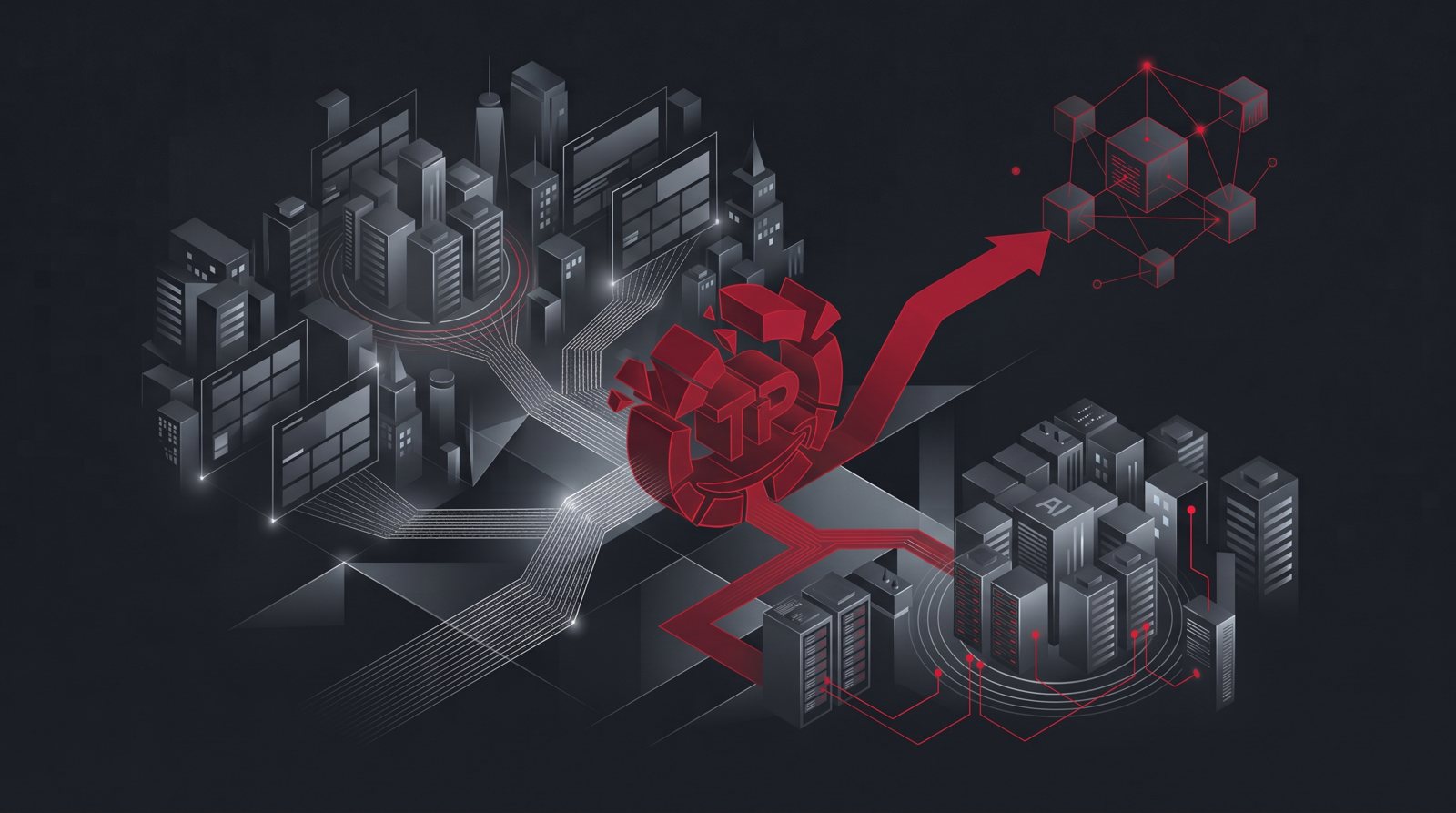
Natrium's design separates two things that are bolted together in a conventional reactor: the rate at which the reactor produces heat, and the rate at which that heat is turned into electricity. The reactor itself runs at a constant thermal output, using liquid sodium as coolant. Between the reactor and the steam turbine sits a tank of molten salt that can store surplus heat and release it later.
In practice, that means the plant can:
- Run its turbine at a baseline of roughly 345 megawatts continuously
- Draw down stored heat to push output to around 500 megawatts for up to about 5.5 hours
- Do this repeatedly without changing how the reactor core itself operates
That's the "secret weapon" framing: the reactor stays boring and constant — which regulators and operators like — while the turbine side behaves like a dispatchable peaker plant. It's an architecture originally pitched as a way to complement wind and solar on a grid, by covering the hours when renewables drop off. AI data centers present a similar problem from a different angle: instead of smoothing out weather, the plant would be smoothing out compute.
What this actually means for AI infrastructure buyers
The caveats matter as much as the pitch. TerraPower's Kemmerer plant is a single demonstration unit backed by the Department of Energy, still under construction, with a targeted start of operations toward the end of the decade — not a product hyperscalers can order off a shelf today. A handful of things are worth keeping in mind for anyone tracking power procurement for AI buildouts:
- Nuclear lead times remain measured in years regardless of reactor design — flexibility doesn't shorten permitting or construction timelines
- One flexible plant doesn't solve grid-level intermittency; it solves it for whoever's interconnection queue it sits in
- Hyperscalers have already been signing nuclear power deals (restarted plants, small modular reactor orders) largely for firm carbon-free capacity — load-following is a newer, additional ask on top of that
In our estimation, if Natrium's approach proves out at Kemmerer, it likely pushes other advanced-reactor vendors to advertise load-following as a standard spec rather than an afterthought, since AI campuses are becoming a large enough buyer class to shape what "good" nuclear power looks like.
AiiN's takeaway
For teams negotiating power for AI infrastructure, the practical lesson isn't about Wyoming specifically — it's about what to ask power vendors. Capacity factor and price per megawatt-hour used to be the whole conversation. Ramp rate and burst duration should now be on that list too, right next to interconnection timelines. A gigawatt of steady power is not the same product as a gigawatt that can flex with a training schedule, and as GPU clusters keep getting spikier, the difference between the two is going to show up directly in whose data center stays powered during the next demand surge.