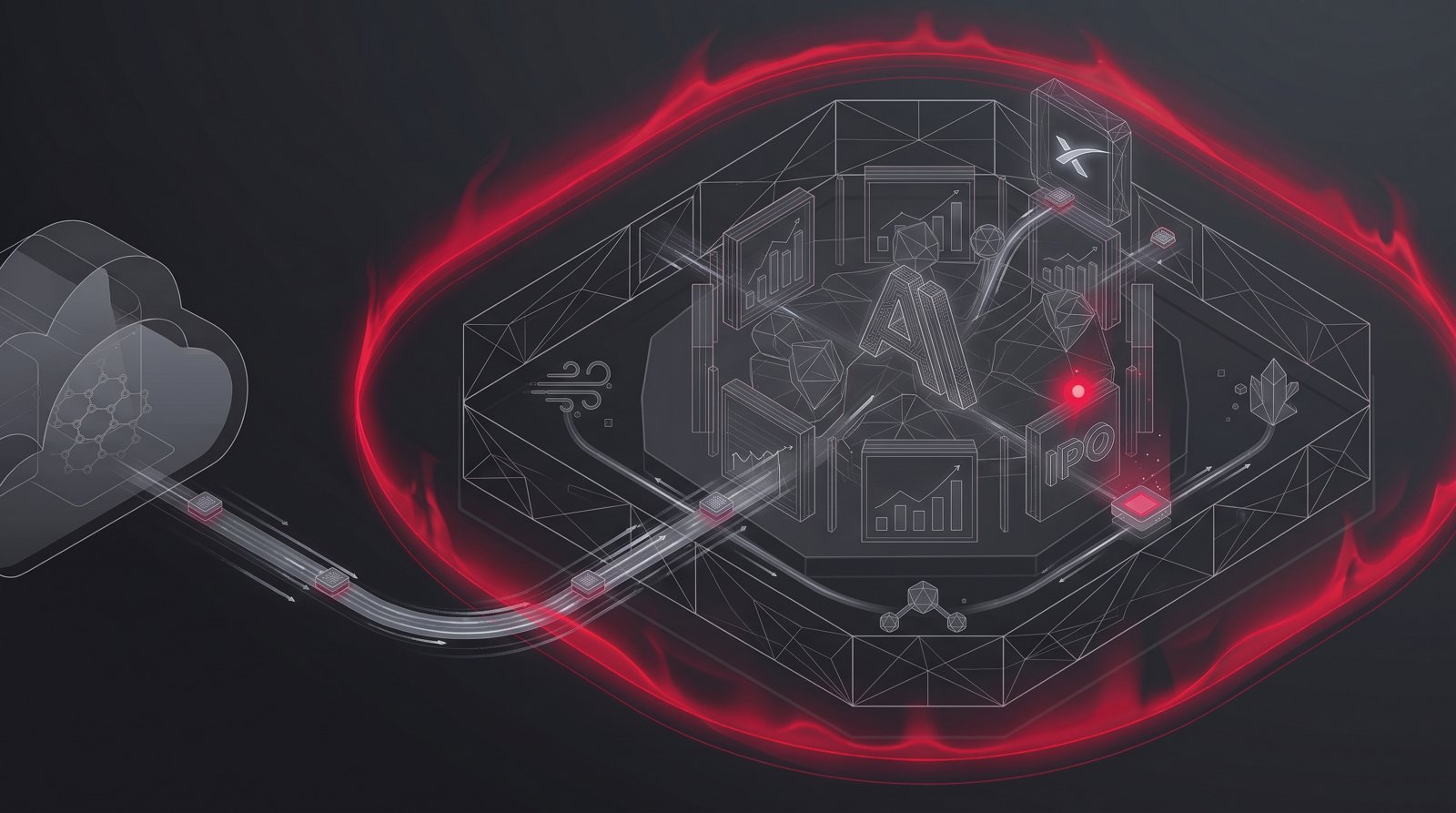
Nvidia has put a $500 billion figure behind a plan that, according to TechCrunch, is built less around selling shiny new chips than around a much less glamorous problem: what happens to the massive fleet of GPUs it has already sold once something newer ships.
That number lines up with what CEO Jensen Huang has repeatedly told investors — that Nvidia's combined order book for its Blackwell and Rubin platforms carries roughly half a trillion dollars in visible demand stretching into 2026. A backlog that size only holds up, though, if the GPUs already installed in data centers keep earning their keep instead of turning into stranded assets the moment a faster chip lands. According to TechCrunch, that is precisely the bet Nvidia is making — and why the outlet calls it both risky and brilliant.
The framing matters because GPU depreciation has become one of the most contested numbers in AI infrastructure. Hyperscalers typically write off H100- and A100-class clusters over five to six years, but frontier labs shift to new architectures roughly every 12 to 18 months. That mismatch is the fault line Nvidia's plan is reportedly built to manage.
What the $500 billion actually represents
The figure reflects committed and projected demand across Nvidia's current and next-generation platforms — chips already sold, chips on order, and chips tied to multi-year supply agreements with the hyperscalers and AI labs building out training capacity. Locking in demand at that scale gives Nvidia visibility most hardware companies never get, but it also means Nvidia is exposed if any part of that chain — a customer's funding round, a cloud provider's capacity plans, a slowdown in enterprise AI spending — falls out of sync with the schedule. That kind of forward commitment is unusual even by chipmaker standards, and it is why the $500 billion label reads more like a demand forecast than a marketing slogan.
Why aging GPUs are the pressure point
Older GPU generations don't stop working when a new one launches; they get pushed down the stack into inference, fine-tuning, and lower-priority training jobs. That's fine in theory, but it only works if there's enough demand for that downstream capacity to keep utilization — and resale or lease value — high. If aging Hopper-class fleets sit half-idle while everyone chases Blackwell and Rubin allocations, the return-on-investment math for the cloud providers and neoclouds that bought them starts to break, and that instability flows straight back to Nvidia's order book. Supporting the residual value of older silicon, in other words, is what keeps the newer-chip pipeline credible.
What it means for teams buying compute
For AI builders and infra teams, the practical read is less about the headline number and more about how GPU generations get priced and allocated going forward:
- Expect a widening price gap between frontier-generation training clusters and older-generation inference capacity, as providers try to keep aging fleets utilized.
- Multi-year compute contracts are increasingly likely to bundle hardware-refresh terms — read the fine print on what happens to pricing when your allocation moves to older silicon.
- Cloud and neocloud pricing pages are worth revisiting regularly; generation-tiered pricing is becoming a real lever, not just a marketing footnote.
- Capacity planning should assume GPU generations turn over faster than your own depreciation schedule — don't architect around a specific chip lasting five years of frontier-relevant work.
AiiN's takeaway
The headline number is Nvidia's, but the underlying dynamic is one every AI team already feels: hardware ages faster than budgets and contracts assume. If Nvidia's plan works as described, the practical effect for builders is a more explicit split between premium frontier-training capacity and cheaper, plentiful capacity running on older chips — likely, in our estimation, with pricing that makes that split easier to shop around rather than something you discover after signing a contract. For teams locked into long contracts, that's worth flagging to finance now rather than at renewal time. Either way, treat GPU generation as a line item in your compute strategy, not an afterthought.