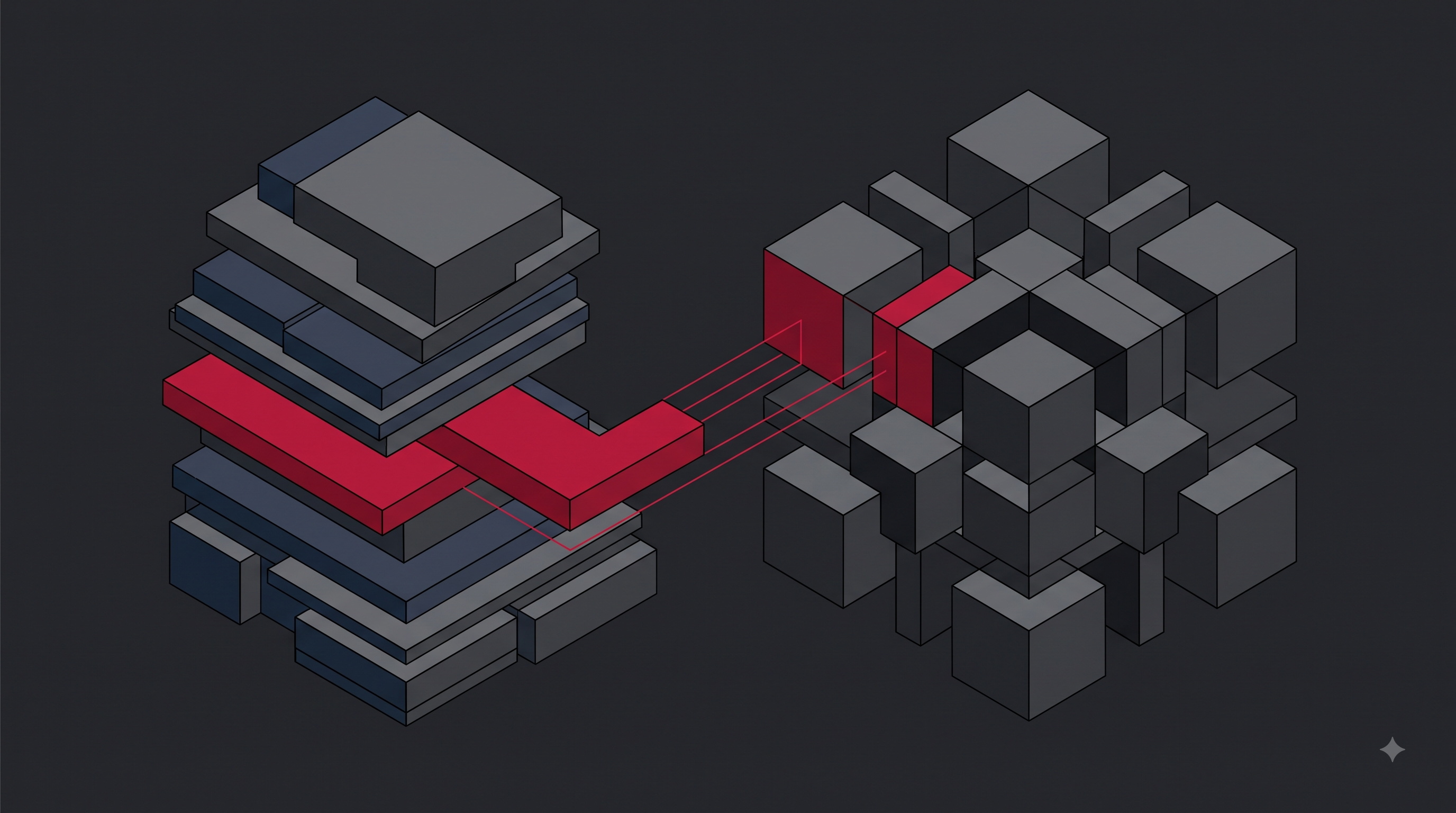
Microsoft is shutting down a batch of underperforming AI features and merging its separate Copilot apps into a single product, according to TechCrunch, which reported the move on August 13, 2026.
The cleanup follows roughly three years in which Microsoft attached the Copilot name to nearly every product it sells, shipping each as its own app with its own team, roadmap, and in several cases its own subscription tier. Merging that many surfaces into one is a bigger undertaking than a typical feature deprecation — it touches branding, billing, data continuity, and the muscle memory of users who had to learn where to find their own Copilot in the first place.
Read plainly, the announcement is an admission that not every Copilot bet paid off. Killing features and consolidating apps is not the kind of move a company makes while everything it shipped is thriving — it is what happens once usage data forces a reckoning with which experiments never found an audience.
The Copilot family Microsoft built
Over the past three years, Copilot became less a single product than a brand name attached to a growing list of separate experiences across Microsoft's business:
- Windows Copilot, built into the OS taskbar
- Microsoft 365 Copilot, embedded in Word, Excel, Outlook, and Teams
- GitHub Copilot, the coding assistant
- Security Copilot, aimed at SOC and IT teams
- Copilot for Sales and Copilot for Service, sold into Dynamics 365 accounts
- Copilot Studio, for building custom agents
- a standalone consumer Copilot app and website, competing directly with ChatGPT and Gemini
Each of those shipped on its own cadence, and several layered their own experimental modes on top — voice, vision, memory, agentic actions. TechCrunch's report doesn't itemize every feature being retired, but the underlying pattern is a familiar one in fast-moving product orgs: a period of rapid experimentation followed by a pruning pass once real usage data comes in.
What's actually changing
TechCrunch reports that Microsoft is retiring AI features that failed to gain traction while folding what had been separate Copilot apps into one unified product. The company hasn't framed this as a retreat from AI investment. The subtext is closer to the opposite: redirect engineering effort away from features nobody used and toward a single Copilot experience the company wants to be the default entry point for its AI work. The structural move — many apps becoming one — is the headline here; which individual features got cut is, notably, not something Microsoft is advertising in detail.
What it means for teams building AI products
The lesson generalizes well past Microsoft. Any team shipping AI features fast enough to track the model release cycle accumulates the same kind of debt: a growing surface area of features that were reasonable bets at launch and dead weight eighteen months later. A few things worth taking from this:
- Instrument usage per feature from day one, not after a consolidation project gets greenlit — if you cannot tell which of your AI features anyone opens twice, you are planning tomorrow's cleanup blind.
- Treat the case for one more surface skeptically. Every new app, tab, or icon is something users must learn to distinguish from what you already shipped, and that cost compounds quietly until a redesign forces you to pay it all at once.
- Sunsetting in public is a feature, not an admission of failure. Killing what did not work is a healthier signal than quietly maintaining a graveyard of unused toggles nobody bothers to remove.
- Budget consolidation as a recurring cost of moving fast, not a one-time cleanup project — it will come due again.
AiiN's takeaway
What Microsoft is doing here reads less like a retreat from AI and more like a maturity signal. The company spent the early Copilot years maximizing surface area — a Copilot for every product line — and it is now optimizing for the smaller number of things people actually rely on daily. In our estimation, more AI vendors will follow a similar arc over the next year as the market shifts from counting how many AI features it can ship to asking which single product people actually open every day. For builders, the practical takeaway is not to copy Microsoft's Copilot roster — it is to build the usage telemetry now that lets you make this call on your own schedule, rather than waiting for a headline to force the question.