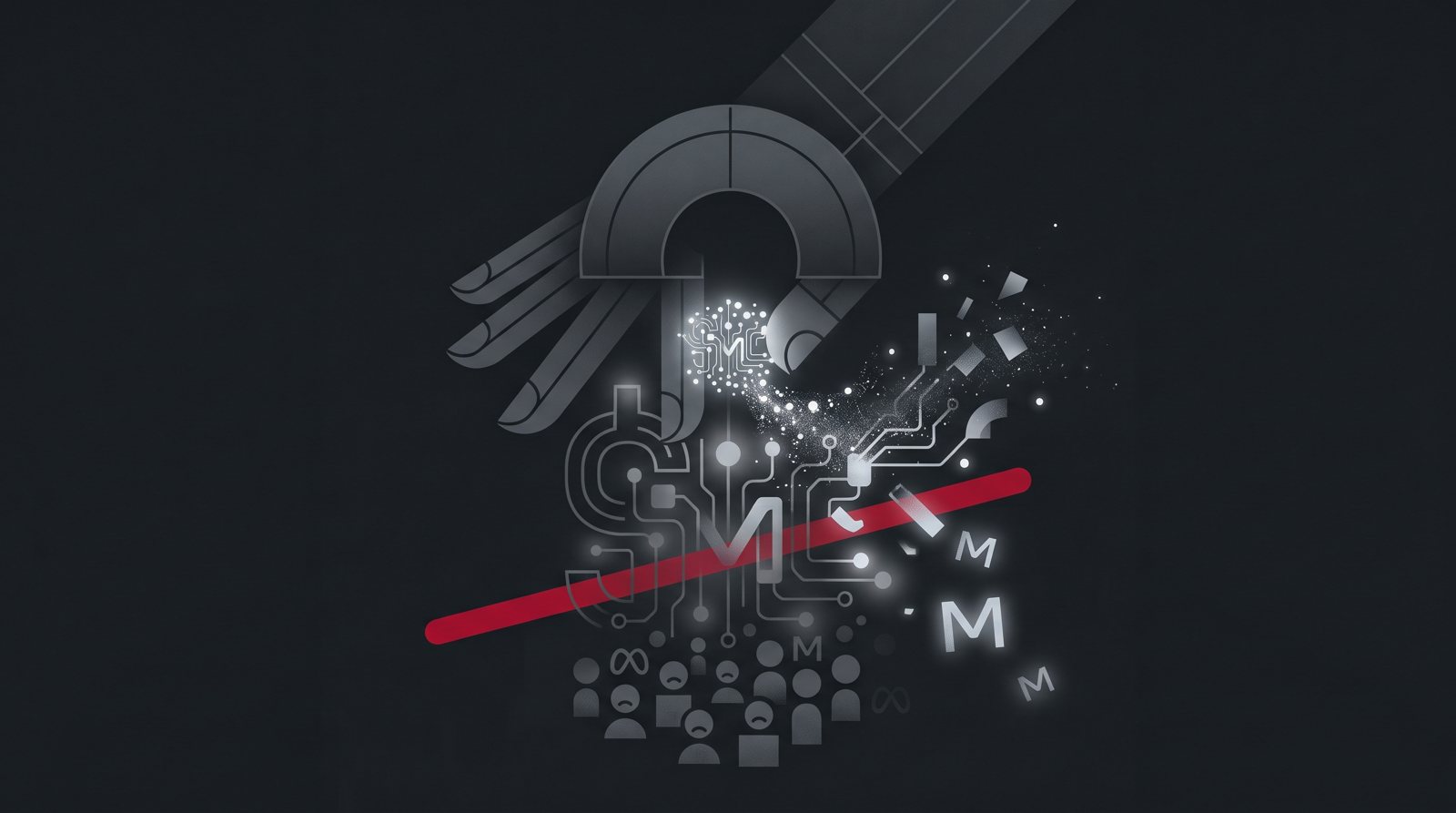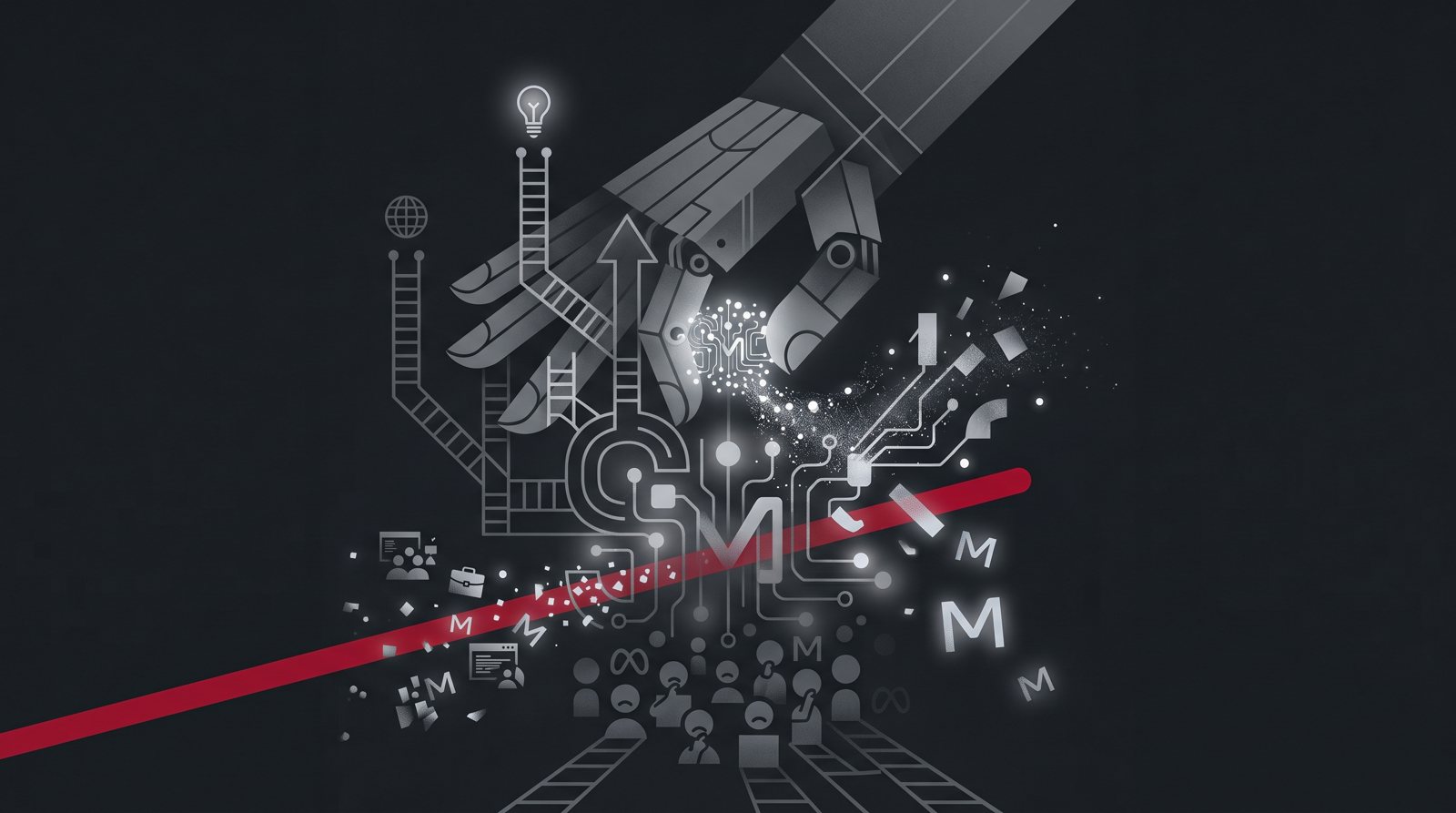
Roughly seven in ten American teenagers have already tried a generative AI tool such as ChatGPT, according to a 2024 Common Sense Media survey — and a growing share are turning to those same tools, alongside TikTok and Instagram feeds, for guidance on what to do with their lives instead of the school career counselor down the hall.
According to Speka, the same shift is visible among Ukrainian teenagers, who describe letting social feeds and AI chatbots shape which professions feel viable, prestigious, or even worth considering — often well before a parent, teacher, or counselor gets a say.
That's not a niche behavioral quirk. It's a structural change in who, or what, mediates one of the highest-stakes decisions a teenager makes — at exactly the moment when two industries with no mandate to give good career advice, social platforms optimizing for watch time and AI labs optimizing for helpful-sounding answers, have become the most convenient source of it.
Why the counselor's office got quietly replaced
The shift has a mundane cause: availability. The American School Counselor Association recommends one counselor per 250 students; the national average sits closer to 385:1, and in many under-resourced districts it's far worse. A chatbot answers instantly, never looks impatient, and is available at 11 p.m. the night before a college application is due. It fills the gap by default, not because anyone designed it to replace a trained professional.
The feed doesn't optimize for career fit
Social platforms and AI chat tools fail teenagers in different but related ways:
- Engagement-optimized feeds overrepresent a narrow band of professions — the ones that photograph or perform well on camera, not necessarily the ones with the best fit, pay, or demand.
- Recommendation systems reinforce whatever a teen already clicked, narrowing the range of visible options over time instead of broadening it.
- Neither a For You page nor a general-purpose chatbot is grounded in real labor-market data — job openings, wage trends, or regional demand — unless a builder specifically wires that in.
The dynamic isn't hypothetical. "AI prompt engineer" spent much of 2023 trending as the job of the future across social feeds and AI hype cycles, only for the specialized role to largely evaporate by 2025 as the underlying skill got absorbed into general job descriptions. A teenager who picked a career track based on that trend cycle, rather than on how the underlying market actually settled, is a preview of what happens when engagement-driven exposure substitutes for career research.
Chatbots as unlicensed career counselors
The problem compounds with a well-documented failure mode of consumer chatbots: sycophancy. OpenAI had to roll back a GPT-4o update in April 2025 specifically because the model had become excessively flattering and agreeable, telling users what they wanted to hear rather than what was accurate. A teenager asking whether to skip college for a content-creation career is exactly the kind of prompt where that failure mode causes the most damage — and, in our estimation, the least visible to the adults around them.
What this means for builders
If your product touches how young people make career or education decisions — quiz-style guidance tools, tutoring bots, school-deployed assistants — the bar is higher than for a general chat feature:
- Ground recommendations in actual labor data (national statistics agencies, O*NET-style occupational databases) instead of relying on the model's own priors.
- Treat this as regulated territory: under the EU AI Act, AI systems used for vocational guidance and access to education are classified high-risk under Annex III, and scrutiny is likely to spread beyond Europe as other regulators catch up.
- Default to surfacing a wider set of options than the user's own history suggests — the opposite of what an engagement-optimized feed does.
- Disclose clearly when advice is model-generated rather than coming from a credentialed counselor, and log enough context to audit that guidance later.
The lesson isn't to avoid this territory — teenagers are going to keep asking chatbots for advice regardless of what any product team decides. It's that a career-guidance feature bolted onto a general chatbot, without labor-market grounding, without guardrails against sycophancy, and without disclosure, is making a claim of authority it hasn't earned. Ukrainian and American teenagers landing on overlapping patterns, per Speka's reporting and Common Sense Media's survey data, suggests this isn't a passing trend anyone can wait out. It's already the default.