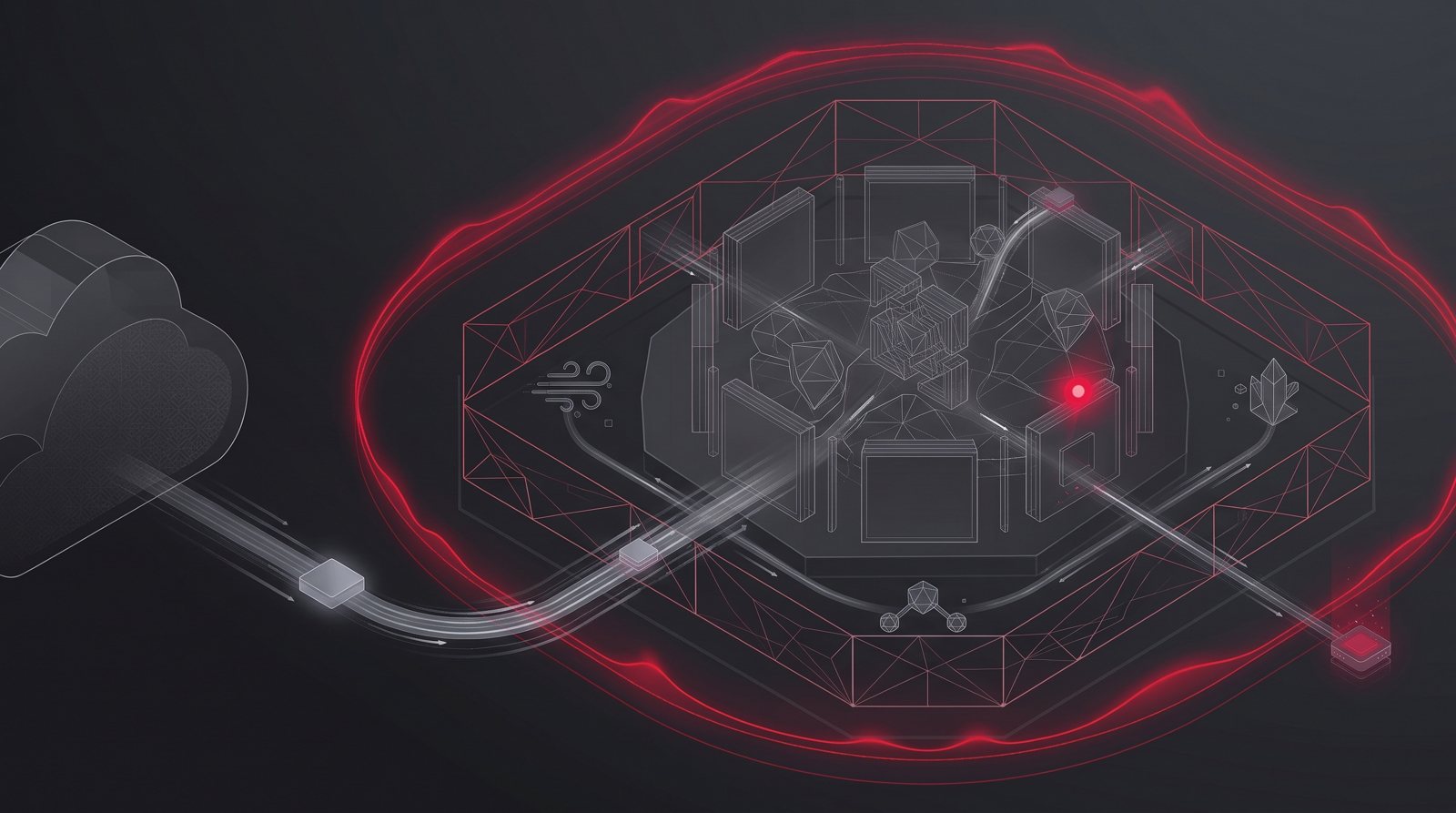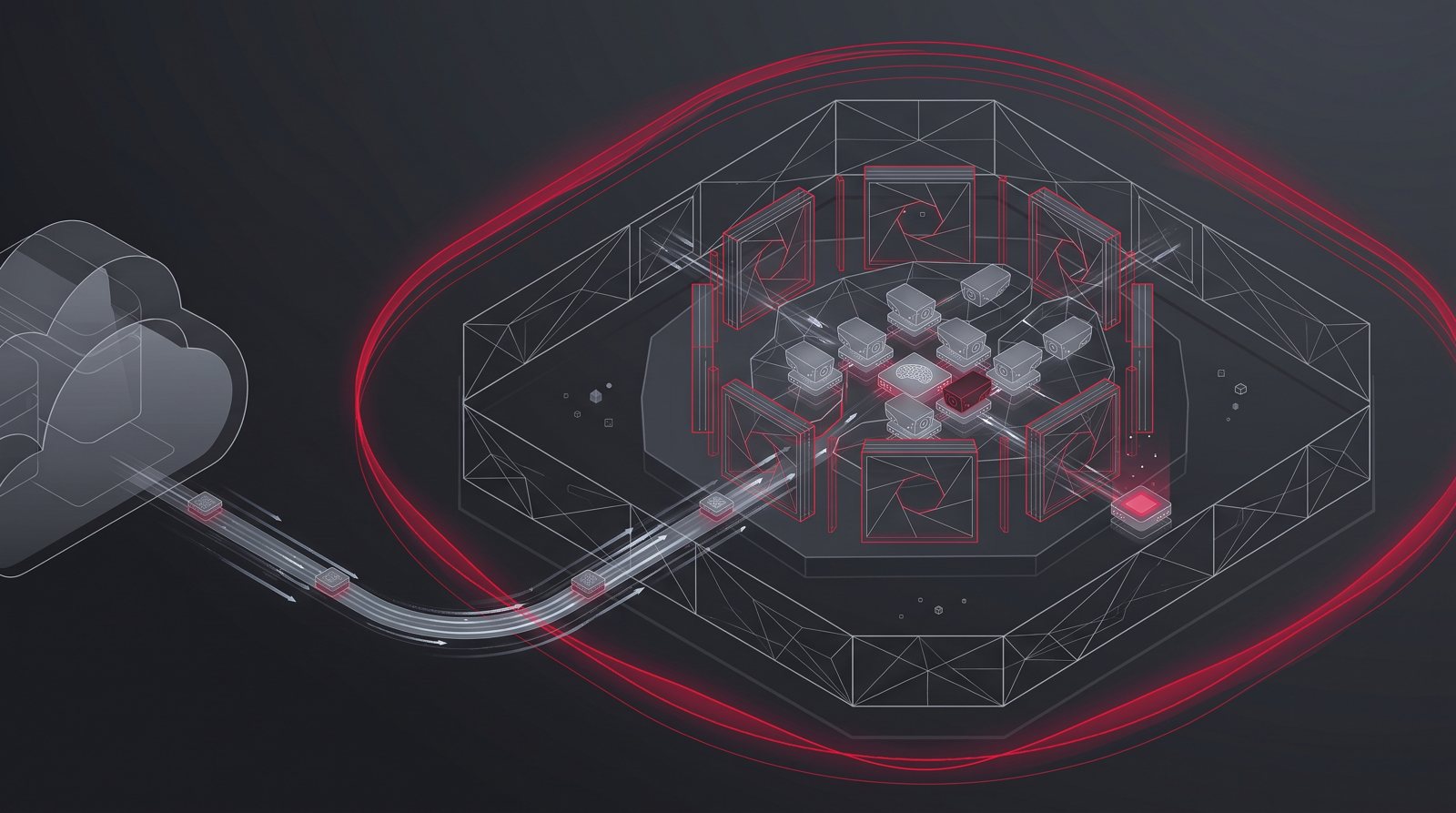
Flock Safety, the license-plate-reading camera network deployed by thousands of U.S. police departments, is tightening the rules that govern who can search its data and why. According to MIT Tech Review, the change comes after a year of mounting backlash over how loosely those rules had been enforced — including reports of local departments running searches on behalf of federal immigration authorities and out-of-state agencies pursuing cases that had nothing to do with local policing.
For an AI-focused audience, the interesting part isn't the surveillance debate on its own. It's the shape of the fix. Flock isn't disabling cameras or retraining its plate-matching models — it's rewriting the access-control layer that sits on top of them: narrower reasons for a search, tighter limits on cross-jurisdiction queries, more logging. That's the standard playbook whenever an AI product's real-world use outruns its policy, and it's a preview of what other AI vendors handling sensitive data should expect to face.
How Flock's network became a flashpoint
Flock's core product is straightforward: AI-equipped cameras photograph license plates, run computer vision to log the plate number alongside the vehicle's make, color and other identifying details, and check the result against watchlists. But the product police departments actually buy into is the network — any participating agency can, in principle, search plate sightings captured by cameras belonging to other departments across the country. A local traffic-safety tool becomes, in aggregate, a searchable national vehicle-tracking system.
That network effect is what drew the scrutiny. Reporting over the past year documented cases where local police ran nationwide searches for federal immigration authorities and for out-of-state agencies pursuing cases — including abortion-related travel — that fell outside what camera-owning communities had signed up for. Several city councils responded by pausing or canceling their Flock contracts, and privacy groups pushed for state-level limits on how ALPR data gets shared across agencies.
What's actually changing
The company's response is to tighten — not loosen — network access: narrowing the list of acceptable reasons a department can cite for a search, and restricting how far outside an agency's own jurisdiction a query can reach. In effect, Flock is retrofitting an access-control layer onto a system that shipped without one. In our estimation, the audit and logging requirements needed to enforce those narrower rules matter more than the policy language itself, since "who searched what, and why" was the exact question reporting kept surfacing answers Flock's customers often couldn't produce.
What it means for AI builders
This is now a familiar cycle for any AI company whose product touches identity, location, or behavioral data. OpenAI, Anthropic and Google have each published and re-published usage policies after customers found applications the vendor never intended, and in every case the enforcement ends up living outside the model — in access controls, account-level rules, and audit logs, not in the model's own behavior. A few things from Flock's situation are worth carrying into that kind of product design:
- Build the audit trail before you need it. "Who queried what data, and why" should be answerable on day one, not retrofitted once a journalist starts asking.
- Assume your network effects will be tested by your least careful customer. A permission model that works for the well-behaved majority of users will get exploited by the rest, and that's the story that ends up in the press.
- Treat acceptable-use policy as a product feature, not a legal footnote. Flock's crisis wasn't a technical failure — the cameras and the AI worked exactly as designed. The failure was in who was allowed to ask the system a question.
AiiN's takeaway
Flock's rule change won't settle the broader argument over license-plate surveillance, and it doesn't need to for the lesson to hold. AI products that pool sensitive data across many customers eventually need governance that scales with the network, not just with the model. Teams that wait for a backlash to build that layer end up designing it under deadline and in public. The ones that build it upfront — narrow scopes, hard audit logs, real consequences for misuse — buy themselves the credibility to keep operating once the scrutiny arrives.