Anthropic has added a /design command to Claude Code, its terminal-based coding agent, letting developers produce UI mockups without switching over to Figma, Sketch, or any other dedicated design tool. According to The Decoder, the new command generates interface mockups inside the same terminal session developers already use to write and review code.
Claude Code launched as a command-line agent focused on reading, editing, and reasoning about codebases. Since then, Anthropic has steadily widened its command surface with utilities for things like code review and project setup, but those have stayed on the engineering side of the workflow. A dedicated design command is a different kind of addition: it moves a visual, front-end task into a tool that, until now, was defined by text-only interaction.
That framing matters more than the feature itself. Design and implementation have historically lived in separate tools, separate files, and often separate teams. Collapsing the first step of that pipeline into the terminal session where the resulting code will actually be written is a bet that fewer handoffs beat richer standalone tooling.
A design step without leaving the shell
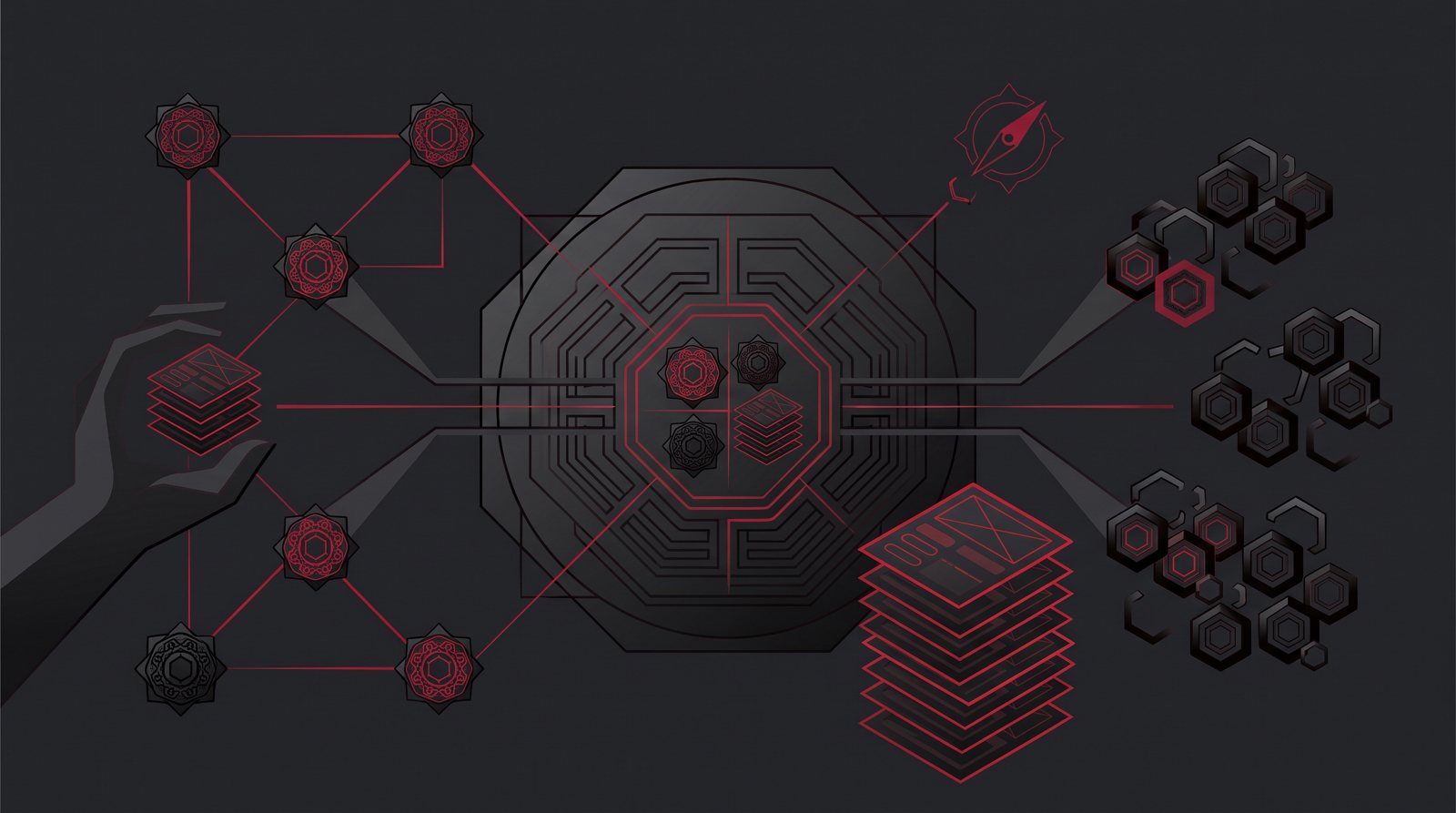
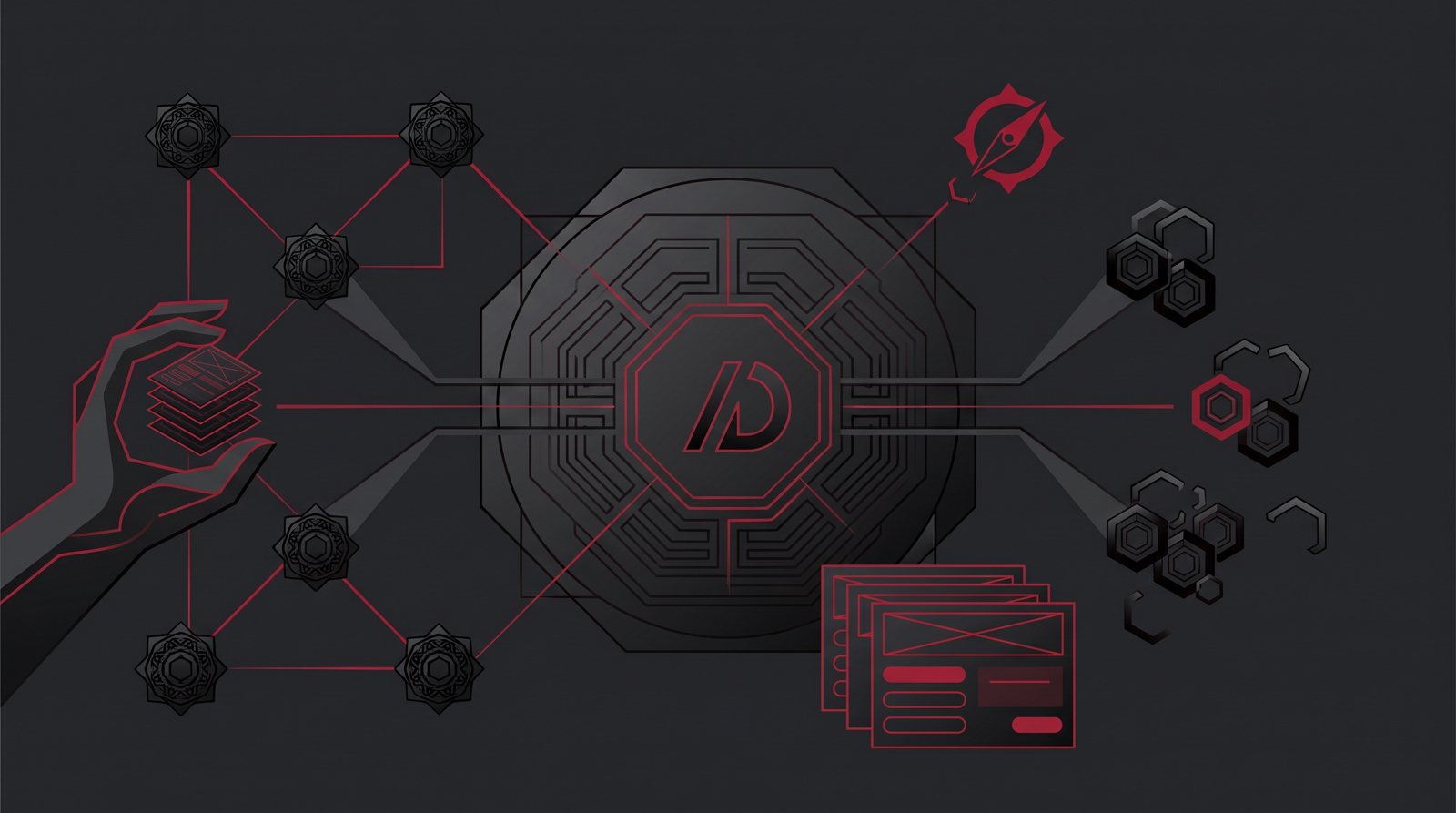
The core idea behind /design is straightforward: instead of opening a browser tab or a separate app to sketch out an interface, a developer stays inside the Claude Code session and asks for a mockup there. The output becomes part of the same working context that Claude Code already uses to write and modify code, rather than a separate artifact that has to be exported, described, and re-interpreted before implementation starts.
That distinction is the point. Plenty of AI tools can generate a UI concept from a prompt. What's new here is where that step happens — inside the terminal-based agent that is also responsible for building the thing, not in a browser-based design app that hands off a screenshot or a Figma link.
Why this matters for AI-native teams
For small teams and solo developers who already lean on Claude Code for implementation, a built-in design step removes one of the more persistent friction points in AI-assisted development:
- No context switch between a design tool and the coding agent — the mockup and the resulting implementation share the same session.
- Faster iteration on early-stage interface ideas, since the same command loop that edits code can also be asked to revise a mockup.
- One less tool subscription or integration to maintain for teams that don't have dedicated design headcount.
This fits a broader shift among coding agents: the more of the development loop a tool can own end to end, the more useful it becomes as a default workspace rather than one stop among several.
What's still unclear
The Decoder's report doesn't detail how far the mockups go — whether they're closer to rough wireframes for structuring a build or polished visual comps meant to survive client review. In our estimation, a terminal-native tool is more likely to produce functional, structure-first mockups than pixel-perfect visual design, given Claude Code's roots as a coding agent rather than a graphics tool.
It's also unclear how well /design output will integrate with existing design systems, component libraries, or brand guidelines that professional teams already maintain — a gap that has limited other AI mockup generators from replacing dedicated design software outright.
AiiN's takeaway
The /design command is less about giving Claude Code new artistic ability and more about compressing the distance between idea and implementation for developers who already build with it. For teams without in-house design resources, that compression could genuinely speed up how fast a rough idea turns into working front-end code. For teams with established design pipelines, it's more likely to serve as a fast prototyping step than a replacement for their existing tools. Either way, it's a clear signal that Anthropic sees Claude Code's terminal as a workspace to expand, not just a place to run code.