HoneyBook has connected Claude to its clientflow platform, giving Anthropic's AI assistant direct access to the contracts, invoices, project timelines, and client messages that independent businesses run through the app. The integration arrives through a dedicated connector rather than a bolt-on chatbot, meaning Claude can act on data that already lives inside HoneyBook instead of requiring users to copy and paste it into a separate window.
According to AI News, the move is framed around automating the routine, repetitive tasks that eat into the day of freelancers, photographers, consultants, and other one- or few-person businesses — the kind of client-facing paperwork that HoneyBook was originally built to organize but not necessarily to execute on its own.
That distinction matters. HoneyBook's pitch for a decade has been consolidation: put proposals, contracts, invoicing, and scheduling in one place instead of five different tools. Plugging in Claude is a different bet — that consolidation alone isn't enough, and the next layer of value comes from having an agent that can actually do the busywork inside that consolidated system rather than just display it.
Why a connector, not a chatbot
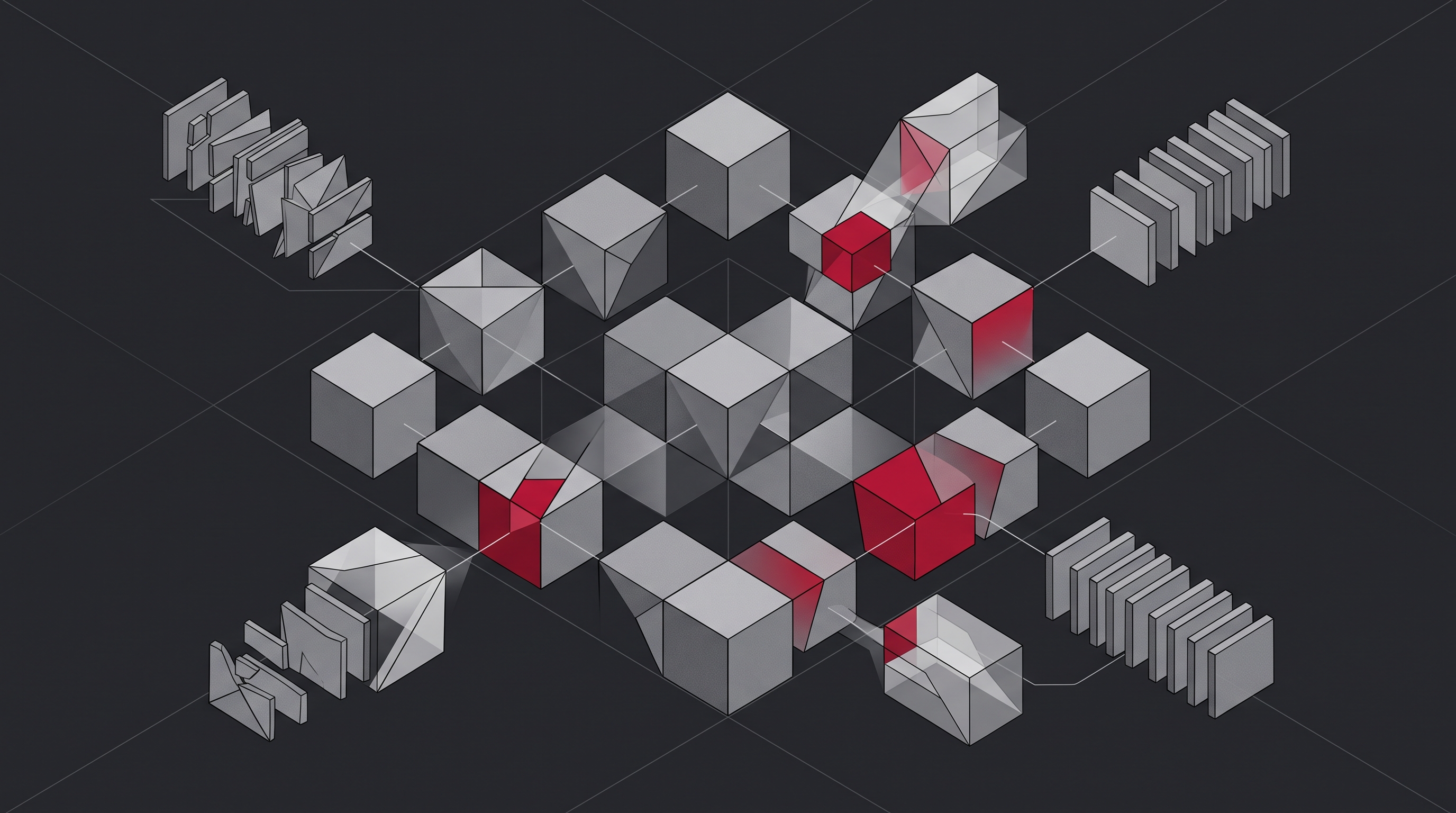
The technical choice here is worth pausing on. A growing number of SaaS platforms are integrating Claude through connectors built on Anthropic's Model Context Protocol (MCP), an open standard that lets an AI model read and act on data inside a third-party app under permission scopes the app defines. That's architecturally different from embedding a generic chat widget: the connector approach keeps HoneyBook in control of what Claude can see and touch, while letting Claude operate with the context of a specific client's project history rather than a blank prompt.
For a small-business platform, that context is the entire value proposition. A generic AI assistant has no idea whether an invoice is overdue, whether a contract clause was already negotiated, or which client just replied to a proposal. A connector-based integration does, because it's reading the live state of the account rather than whatever the user happens to type in.
What actually gets automated
Based on how HoneyBook's platform is structured, the routine tasks best suited to this kind of connector sit squarely in client administration rather than creative or strategic work:
- Drafting and updating client proposals and contracts from existing templates
- Following up on outstanding invoices and payment reminders
- Answering common client questions using project and booking data already on file
- Keeping project statuses and timelines current as work progresses
None of this is glamorous, which is precisely the point. Independent businesses don't lose hours to strategic decisions — they lose them to the paperwork loop that surrounds every client relationship. Automating that loop, even partially, is a more defensible use of agentic AI than most of the flashier demos currently circulating.
What it means for AI builders
The signal for anyone building on top of Claude or a comparable model is less about HoneyBook specifically and more about where the integration sits in the stack. Vertical SaaS products — the ones that already own a business's workflow and data — are becoming the default distribution point for agentic AI, ahead of standalone AI apps trying to pull that same data in from outside.
If you're building automation for a SaaS product, the practical lesson is to treat the connector layer as the product, not an add-on. The tasks worth automating first are the ones your users already do manually, inside data your app already owns — invoice chasing, status updates, templated drafting — rather than open-ended tasks that require the model to guess at context it doesn't have.
AiiN's takeaway
Claude connections like this one shorten the time it takes your SaaS to process a request — not because the model is smarter than the alternative, but because it's operating with account-level context a generic assistant never has access to. That's a meaningful edge for a product like HoneyBook, whose users are optimizing for hours saved per week, not benchmark scores.
The harder question is adoption, not capability. Small-business owners are demonstrably time-poor but also risk-averse about anything touching client contracts or payments — the two areas HoneyBook's connector reaches into first. Whether they hand that judgment to an agent, even a well-scoped one, will likely say more about how this category grows than the technical quality of the integration itself.