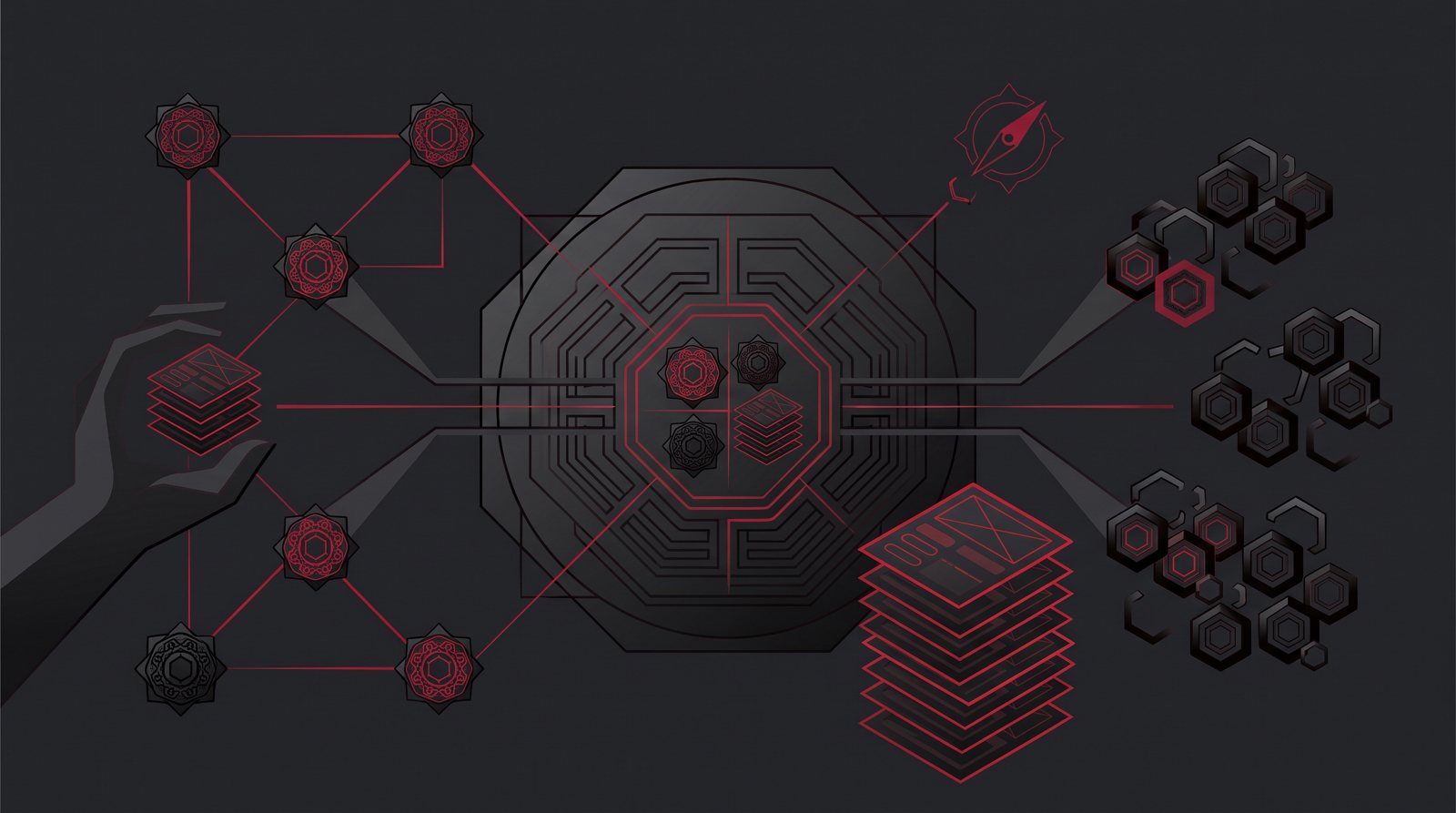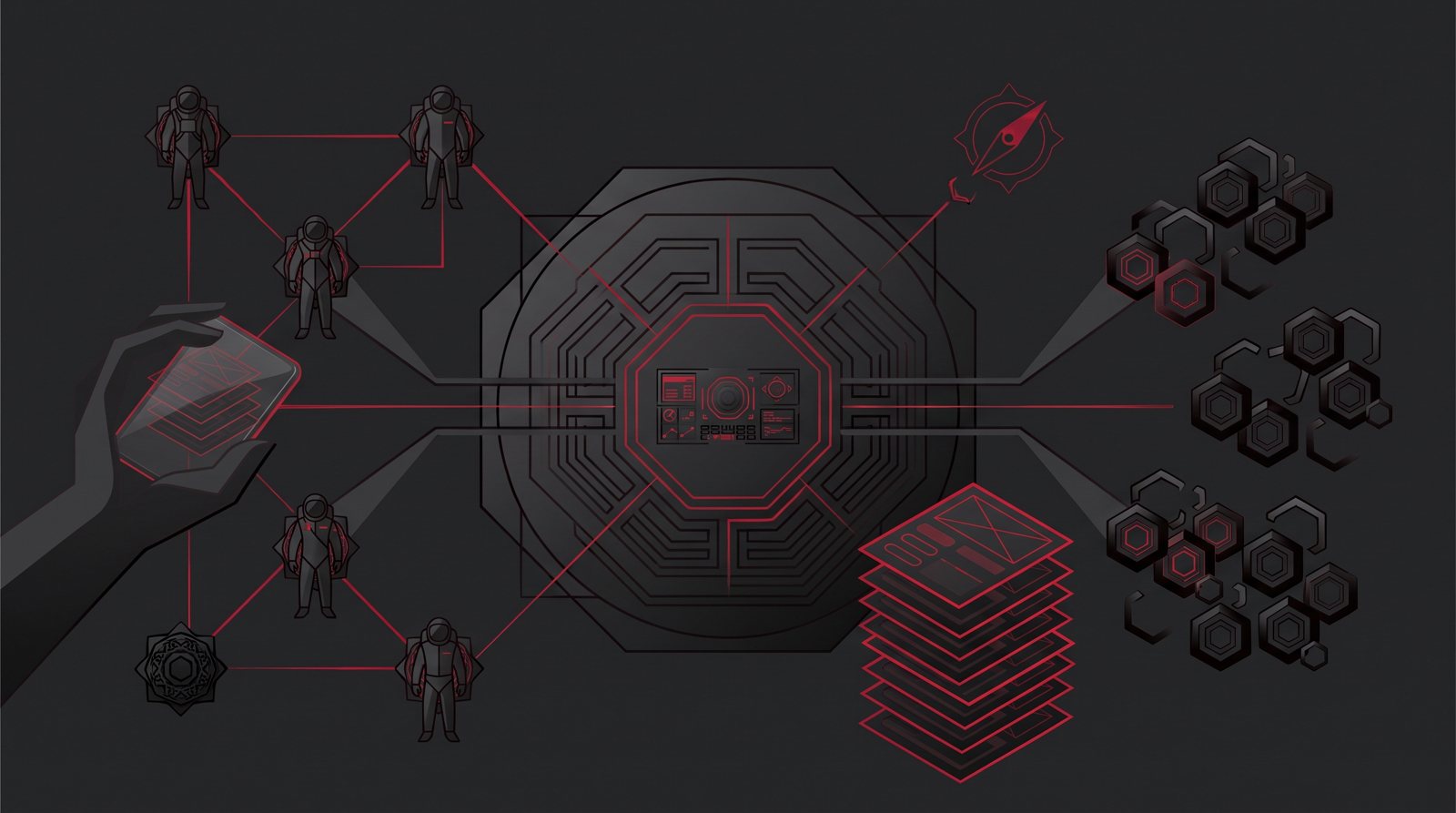
In September 2024, Jared Isaacman became the first private citizen to complete a spacewalk, stepping outside a SpaceX Crew Dragon capsule during the Polaris Dawn mission without ever holding a NASA badge. He was joined by three crewmates, none of them career astronauts, flying a capsule that docks, navigates, and manages life support largely on its own. That mission is a useful reference point for a question a new book review takes up directly: what does "astronaut" mean once the job no longer requires government selection, a military test-pilot resume, or years inside an agency training pipeline?
According to MIT Tech Review, the book under review examines how the identity and function of the astronaut have been reshaped as spaceflight has moved from a handful of state agencies to a mix of national programs, private companies, and paying customers. That shift is not just about who gets to fly — it is about what flying actually requires of a human being now that so much of the flight itself is automated.
For AI builders, the more interesting half of that story is not the sociology of who qualifies as an astronaut. It's the machinery that made the old qualifications less necessary in the first place.
From the right stuff to open enrollment
NASA's original astronaut corps was built around a narrow profile: military test pilots with engineering degrees and thousands of flight hours, selected in small classes starting with the Mercury Seven in 1959. Over six decades, NASA has selected roughly 360 people total. Compare that to the pace of the last five years: Axiom Space has flown multiple private astronaut missions to the International Space Station, Blue Origin's New Shepard has carried dozens of paying and invited passengers past the Kármán line on short suborbital hops, and SpaceX has flown all-civilian orbital crews under its Polaris and earlier Inspiration4 programs.
- Selection criteria have loosened from "test pilot with an engineering PhD" to "healthy adult who can afford or win a seat"
- Training timelines have compressed from years to months for many commercial missions
- The pool of people who have been to space now includes artists, executives, and researchers with no military or aviation background
That loosening didn't happen because spaceflight got safer to improvise. It happened because the vehicles got better at flying themselves.
Automation absorbed the hardest part of the job
Piloting used to be the astronaut's core skill. Docking with a station, managing reentry, and handling emergencies demanded manual expertise that only came from years of flight training. Modern crew capsules have moved most of that work into software. SpaceX's Crew Dragon docks with the ISS autonomously by default, with manual control available as backup — a capability NASA astronauts had to deliberately test during a 2020 demonstration flight specifically because the vehicle so rarely required hands-on flying. Boeing's Starliner was designed around the same autonomous-first philosophy.
That's the throughline connecting the book review to a broader trend AiiN tracks closely: complex, high-stakes physical systems increasingly rely on autonomous decision-making software to handle the routine flight envelope, while the human occupant's job shifts toward monitoring, override authority, and judgment calls in edge cases the software wasn't built for. It's the same division of labor showing up in self-driving cars, autonomous drones, and industrial robotics — just with higher stakes and a harder abort button.
What this means for people building autonomous systems
The astronaut's shrinking piloting role is a preview of a pattern that will recur anywhere autonomy gets good enough to handle the routine case:
- Certification and training will lag capability. Space agencies and companies still train crews for manual scenarios that the software handles 99% of the time, because the cost of an untrained human facing that 1% is catastrophic — the same logic should apply to any autonomous system with a human-in-the-loop fallback.
- "Operator" and "expert" are becoming separate roles. Flying a Dragon capsule no longer requires the skill set that flying a Space Shuttle did; the expertise moved into the engineering and software teams on the ground. Builders of autonomous systems should expect the same split between who operates a system and who understands it.
- Access expands faster than institutions adapt. Commercial spaceflight opened the astronaut corps to non-specialists years before training standards, insurance frameworks, and regulation fully caught up — a gap worth watching in any domain where autonomy is lowering the skill floor for a previously expert-only activity.
AiiN's takeaway
The astronaut used to be defined by rare manual skill; increasingly the job is defined by what a human still needs to do once the machine handles the rest. That's a useful lens for anyone building autonomy into any high-stakes system, not just rockets: the question isn't whether automation can take over the routine case, it's what judgment, oversight, or authority still has to sit with a person when it doesn't. In our estimation, the roles most likely to persist longest in an increasingly autonomous flight envelope are the ones the book review implicitly points to — not piloting, but decision-making under conditions the system wasn't trained for.